Before placing any bid, conduct thorough research on the vehicles of interest. Check their history reports to uncover potential issues. Relying solely on the appearance can be misleading; hidden damages are often not visible at first glance.
Set a strict budget and stick to it throughout the process. The excitement of bidding can easily lead to overspending. Decide on the maximum amount you’re willing to invest, and do not succumb to emotional impulses, which can derail your financial plan.
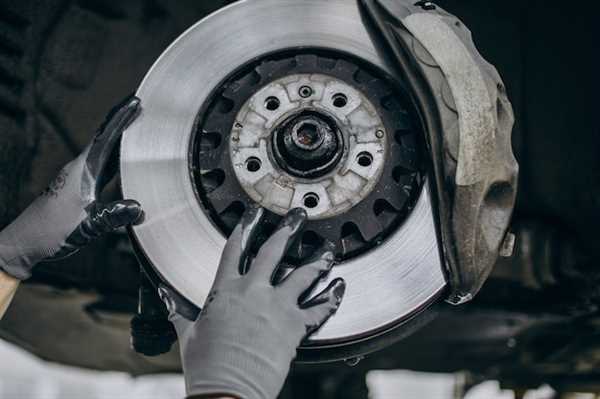
Always inspect the vehicle in person, if possible. Photos and descriptions online can lack crucial details, and a physical examination will give you a better understanding of the car’s true condition. Bring a mechanic if you’re not familiar with car maintenance.
Lastly, familiarize yourself with the auction terms and conditions before participating. Understanding buyer premiums, fees, and payment methods can prevent unexpected expenses and ensure a smooth transaction. A well-prepared participant is more likely to secure a desirable vehicle without unnecessary setbacks.
Neglecting Vehicle History Reports Before Bidding
Always obtain a vehicle history report prior to placing bids. This document reveals crucial details such as accident history, previous ownership, mileage discrepancies, and title issues. Ignoring these facts can lead to significant financial losses and regrettable purchases.
For instance, a vehicle may appear pristine at first glance, but a history report could expose a history of severe accidents or flood damage, altering its true value. Invest in services like Carfax or AutoCheck to gain access to these reports. This small expense can save you from costly repairs or resale struggles down the line.
Prior to a bidding event, research the exact vehicle’s VIN and request all available records. Examine records for any red flags, including repeated repairs or a branded title. These insights are pivotal in making informed decisions and avoiding unwarranted risks.
Lastly, approach every vehicle with a discerning eye. Relying solely on visual inspections is inadequate; always supplement these evaluations with thorough reports to safeguard your investment.
Overbidding Due to Emotional Responses During Auctions

Avoid emotional decision-making. Prepare a strict budget and stick to it to prevent overspending. Set a maximum bid limit for each item based on research and market values.
Feelings of excitement can cloud judgment. Always take a moment to analyze before placing a bid. This helps to maintain clarity and objectivity in the heat of competition.
Watch for bidding wars. Engaging in competitive bidding often leads to overindulgence. Stay focused on the vehicle’s actual worth rather than getting swept away by the crowd.
Practice self-awareness. Recognize the signs of emotional bidding, which may include increased heart rate or frustration with losing an item. Acknowledge these emotions and take a step back if necessary.
Consider the long-term goals. A vehicle’s condition and resale value should outweigh temporary emotional gratification. Create a checklist or criteria that reflects what truly matters when assessing a vehicle.
Consult with someone experienced. Bringing along a trusted advisor can provide perspective during the event, ensuring that decisions remain grounded in rationality rather than impulse.
Conduct pre-auction research. Knowing the average prices for desired models can reinforce budget limits and rational thinking in competitive situations.
Establish a cool-off strategy. If feelings of eagerness arise, pause and reassess the situation. This simple act can save considerable funds and guide sound decisions.
Failing to Inspect Vehicles Thoroughly Before Purchase

Conduct a detailed assessment of any car prior to bidding. Engage a trusted mechanic to evaluate the vehicle’s condition, focusing on the engine, transmission, brakes, and suspension. Verify the vehicle identification number (VIN) against available documentation to uncover any discrepancies or hidden issues.
Check for signs of previous accidents, rust, or water damage, as these can significantly affect both value and safety. Test drive the vehicle, if possible, to assess handling, braking, and overall performance. Utilize a checklist to ensure no aspect goes overlooked during the examination.
Review maintenance records to understand the service history and any past repairs. Being thorough in this step can help avoid unforeseen costs and disappointments after the purchase. Use reliable resources to assess market prices, ensuring that bids align with the vehicle’s actual worth.