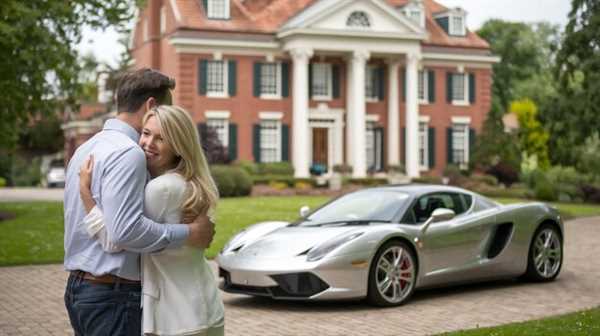
For those seeking an unparalleled blend of performance, reliability, and sophistication, exploring the marvels of Teutonic craftsmanship is essential. With a legacy steeped in meticulous design and rigorous testing standards, vehicles from this region consistently deliver a driving experience that leaves a lasting impression. From the unmistakable roar of an engine to the seamless handling on winding roads, enthusiasts are drawn to the distinctive characteristics that define these machines.
Performance metrics reveal a commitment to excellence; many models boast impressive acceleration times and superior braking capabilities. The integration of advanced technology enhances not only performance but also safety features, making each journey more enjoyable. Furthermore, aesthetic appeal is not overlooked; sleek lines and iconic styles resonate with those who appreciate both form and function.
Engaging with the community surrounding these automobiles adds another layer of enjoyment. Clubs and online forums provide platforms for sharing advice, experiences, and tips on maintenance, tuning, and modifications. Owners often find a camaraderie that transcends geographical boundaries, uniting individuals with a shared passion for these exceptional vehicles.
In summary, for aficionados who value precision, innovation, and a rich heritage in automotive craftsmanship, the choice is clear. The allure of these remarkable machines lies not only in their performance but also in the community and culture that surrounds them.
Precision Manufacturing Techniques in German Automotive Production
Utilizing computer numerical control (CNC) machines enhances the precision of components, ensuring each part meets stringent specifications. These machines minimize human error, allowing for intricate designs with exact tolerances in high-performance vehicles.
Employing robotics in assembly lines increases speed and consistency in production. Automated systems can perform repetitive tasks with exceptional accuracy, which is critical for high-volume manufacturing of luxury automobiles.
Investing in advanced materials, such as lightweight alloys and high-strength steel, optimizes performance while maintaining vehicle safety. These materials contribute to improved fuel efficiency and handling without compromising structural integrity.
Implementing quality control measures, such as real-time monitoring and testing, ensures that each vehicle adheres to rigorous standards. Continuous assessment throughout the production process allows for immediate adjustments, reducing defects.
Integrating lean manufacturing principles streamlines operations by minimizing waste and maximizing resource utilization. This approach results in shorter production cycles and reduced costs while maintaining high-quality output.
Utilizing simulation technology during the design phase aids in predicting how different components interact. This technique allows engineers to refine designs before physical production, enhancing overall functionality and performance.
Collaborating with suppliers ensures a seamless flow of materials that meet quality expectations. Strong relationships with partners contribute to the reliability and consistency of component availability, essential for maintaining production schedules.
Innovative Technologies that Define German Performance Cars

One standout feature is the use of turbocharging technology, which enhances both power output and fuel efficiency. Models equipped with turbocharged engines deliver robust torque across a wide RPM range, appealing to driving enthusiasts who crave responsiveness.
A key aspect is all-wheel drive systems, often seen in high-performance variants. Advanced handling and enhanced grip enable drivers to maintain control in various conditions, ensuring a thrilling experience on both track and street.
Additionally, lightweight materials, such as aluminum and carbon fiber, are extensively used to reduce overall vehicle weight, enhancing acceleration and agility. This focus on weight reduction is paired with precision engineering, allowing for meticulous adjustments in suspension setups that provide exceptional cornering capabilities.
Another critical innovation is adaptive suspension technology. This system adjusts the dampening characteristics in real-time, reacting to road conditions and driving style, ultimately providing a tailored driving experience that satisfies performance lovers.
Lastly, infotainment systems incorporating cutting-edge connectivity options offer seamless integration for drivers. Features like advanced navigation, driver assistance technologies, and customizable displays ensure that enthusiasts stay informed and engaged while on the move.
The Influence of German Heritage on Car Design and Enthusiast Culture

Integrate precision and functionality in automotive design. Emphasize performance and reliability to attract dedicated fans. A deep connection to historical craftsmanship enhances the allure of vehicles produced in this region.
Focus on meticulous engineering and innovative technologies. The use of advanced materials and aerodynamics contributes to superior handling and efficiency. This attention to detail resonates with aficionados who appreciate high-quality mechanics and design integrity.
Cultivate a rich motorsport legacy. Historic races and engineering achievements foster a community that values both competition and collaboration. Events celebrating iconic models create spaces for enthusiasts to share experiences and passions.
Additionally, engage in cultural storytelling through branding. Heritage models evoke nostalgia and character, reinforcing loyalty among drivers. Diverse offerings from luxury to performance vehicles cater to varying preferences, tapping into different lifestyle aspirations.
Encourage hands-on experiences through clubs and meetups. Enthusiast gatherings allow for collaboration and knowledge exchange, strengthening the bond among fans. Workshops and tech sessions promote skills development, fostering a tightly knit community.