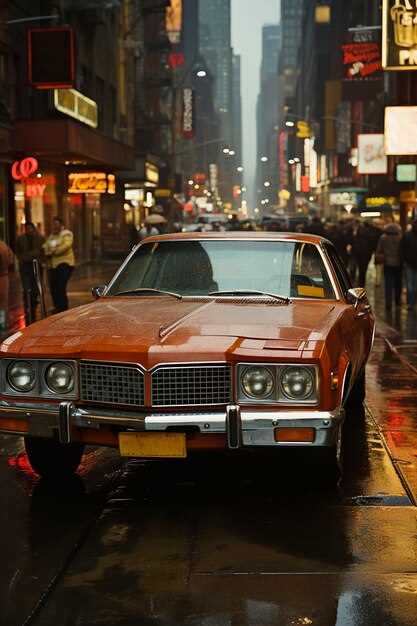
The iconic vehicle’s transformation is more than just a story; it is a reflection of innovation and cultural shifts in the automotive world. Known for its powerful performance and striking design, this automobile has transitioned through various generations, capturing the hearts of enthusiasts and collectors alike. As we explore this remarkable transition, we will uncover the key milestones that define its legacy.
Initially unveiled in the 1960s, the model quickly established itself as a symbol of speed and power. Enthusiasts recognized it not just for its robust engine, but also for its aggressive styling and undeniable presence on the road. Over the decades, changes in consumer preferences and regulatory requirements shaped its design and functionality, demonstrating the ability of this legend to adapt while retaining its core identity.
Today, collectors and aficionados celebrate the history of this automobile, recognizing its significance as a cultural milestone. The journey from a high-performance vehicle to a sought-after collector’s item showcases how this nameplate resonates with different generations, making it a lasting symbol of automotive excellence. For those looking to appreciate or invest in such a classic, understanding its history provides valuable insights into its enduring appeal.
Key Features that Defined the Muscle Car Era of the Dodge Charger
The era of high-performance vehicles saw several defining characteristics that made this model a legend. One standout is the powerful engine options, ranging from high-output V8s that provided significant horsepower and torque, ensuring thrilling acceleration and on-road dominance.
Another notable feature is the distinctive exterior design. The aggressive stance, long hood, and short rear deck created an iconic silhouette that remains recognizable today. These elements combined with bold color choices gave it a street presence that demanded attention.
Advanced suspension systems contributed to superior handling and ride quality. The innovative engineering allowed for improved traction during intense driving scenarios, enhancing overall performance. Coupled with large, high-traction tires, this made for an exhilarating driving experience.
Interior amenities also played a role. Driver-centric layouts featured sporty seating and optional high-tech instrumentation, providing essential information at a glance while ensuring comfort during long drives.
Lastly, the marketing approach positioned these models as symbols of freedom and rebellion. This cultural embrace spurred a loyal fanbase, solidifying the status of this sporty vehicle as more than just an automobile–it became a significant part of American automotive history.
Impact of Design Changes on the Dodge Charger’s Legacy

Design modifications significantly shaped the identity of this American automobile. From the bold lines of the 1960s models to the sleek silhouettes of contemporary iterations, each alteration resonated with consumer preferences and market trends.
In the early years, the focus was on raw power coupled with aggressive styling, appealing to those seeking performance. The introduction of a longer hood and shorter rear deck created an instant classic look, fueling enthusiasm among enthusiasts and collectors alike.
As the decades progressed, various redesigns reflected broader automotive trends, such as aerodynamics and safety features. The incorporation of more rounded shapes and refined interiors in later models catered to a wider audience, increasing appeal without sacrificing the car’s sporty essence.
Modern enhancements, including advanced technology and improved fuel efficiency, maintained relevance in a competitive landscape. Hybrid and electric options opened new possibilities, ensuring that this notable nameplate remains a strong contender in today’s automotive market.
Cultivating a balance between heritage and innovation has cemented a strong legacy, making it both a nostalgic icon and a forward-looking choice for consumers. Each phase of redesign not only acknowledges the past but also sets the stage for future generations, enriching the automotive narrative.
Preserving the Dodge Charger: Collectibility and Restoration Insights

Invest in original parts whenever possible. Authentic components enhance value and authenticity during refurbishment. Seek out reputable suppliers and restoration specialists who prioritize quality over shortcuts.
Document the restoration process thoroughly. Maintain a detailed log of work done, parts sourced, and any modifications made. This record boosts credibility and assists in future sales.
Prioritize rust treatment and prevention. Corrosion can compromise structural integrity, so invest in high-quality undercoating and regularly inspect vulnerable areas.
Original paint color significantly affects value. If repainting is necessary, match the original hue carefully. Keep records of color codes and materials used.
Join clubs or online forums dedicated to this automotive masterpiece. Networking with other enthusiasts can provide valuable advice, sourcing opportunities, and moral support during the restoration journey.
Consider the model year and specific features when selecting a unit for restoration. Rarity and demand directly influence future worth, with unique options attracting collectors.
Participate in car shows to display your work and connect with other admirers. Exposure can increase appreciation and potentially lead to lucrative offers.
Ensure proper maintenance post-restoration. Regular servicing can prevent common issues and preserve the vehicle’s enchanting performance and appearance.