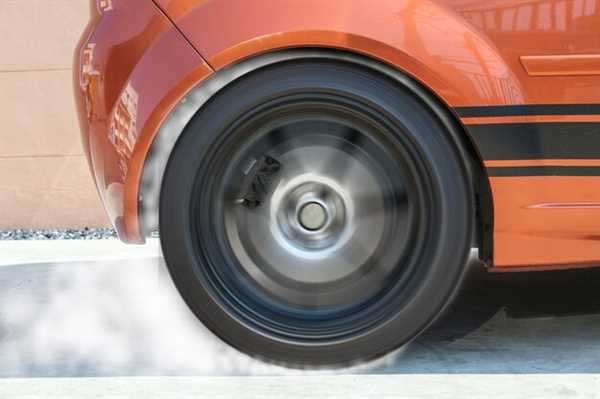
Choosing lighter components can lead to significant enhancements. By opting for reduced mass in your vehicle’s rolling elements, you can expect improved agility and acceleration characteristics. The influence of reduced weight manifests most notably in the reduction of unsprung mass, providing better suspension dynamics and enhanced road feedback.
Consider that every ounce counts: lighter assemblies require less energy to initiate and maintain motion, thus optimizing power utilization. A direct correlation exists between the weight of rolling components and overall handling; decreased inertia allows for sharper turns and increased responsiveness during rapid directional changes.
Additionally, decreasing wheel mass contributes to improved braking efficiency. Less energy is required to decelerate, resulting in shorter stopping distances, which enhances safety in high-performance driving conditions. Upgrading to superior materials can offer weight savings without compromising strength or durability.
Investing in these upgraded rolling components not only elevates your vehicle’s capabilities but also enhances the joy of driving, creating a more exhilarating experience every time you get behind the wheel.
Impact of Weight Reduction on Acceleration and Braking

Reducing mass in the rolling components significantly enhances acceleration. Each kilogram removed allows for quicker take-offs, as less force is needed to propel the vehicle forward. Tuning modifications that focus on rim design can yield a notable decrease in inertia, leading to a more responsive throttle. Aim for lightweight alloy options to maximize this effect.
Braking performance also sees marked improvements with decreased weight. Lighter components require less stopping distance, directly influencing overall safety and control during rapid deceleration. Additionally, the reduced thermal buildup during braking extends the lifespan of pads and discs. When tuning your ride, ensure that you select lightweight options to optimize this crucial dynamic.
Consider a holistic approach in your upgrades. Balancing tire weight with other performance parts leads to substantial benefits across different driving conditions. Utilizing advanced materials can deliver both strength and reduced mass, creating a more agile driving experience. Each tuning decision impacts the overall handling characteristics significantly.
Choosing the Right Material for Optimal Performance Gains

Select forged aluminum for a remarkable reduction in mass while maintaining strength. This alloy resists deformation under stress, making it ideal for high-tuning applications.
Consider magnesium composites for even lower weight. Their stiffness enhances handling, but be aware of the potential for higher costs and lower durability against impacts.
Carbon fiber emerges as a prime option for those focused on high-end modifications. Its superior strength-to-weight ratio significantly enhances maneuverability, particularly in motorsport scenarios.
Steel offers durability, but its density often hinders acceleration advantages. If long-term performance with some trade-offs in weight is acceptable, choose high-tensile steel for strength.
Hybrid materials can combine benefits. For example, utilizing a carbon fiber layer over an aluminum core might balance weight savings and structural integrity.
Evaluate heat resistance and performance under various conditions. Some materials perform better at different temperatures, affecting driving dynamics, especially in competitive settings.
Make informed choices based on intended use. Racing enthusiasts might prioritize weight reduction, while daily drivers could favor a balance between performance and longevity.
Balancing Aesthetics and Functionality in Wheel Tuning
Choose designs that complement the vehicle’s overall look without compromising structural integrity. Sleek, minimalistic styles often perform better than overly intricate options that may add unnecessary weight.
Prioritize materials that offer both visual appeal and durability, such as high-quality aluminum alloys. These not only enhance the appearance but also contribute to reduced rotational mass, positively impacting acceleration and handling.
Consider the finish of the rims; a matte or polished surface can affect heat dissipation. Proper thermal management can lead to consistent braking performance and extended component lifespan.
Maintain a balance by ensuring tire profiles match the rim’s design. Wider tires can improve grip while maintaining an attractive stance, but be wary of excessive width that might hinder responsiveness.
Evaluate rim size carefully; larger diameters can improve aesthetics, but they may also lead to increased rotational inertia. An appropriate balance helps achieve the desired look without sacrificing maneuverability.
Regular maintenance improves both functionality and aesthetics. Clean the rims frequently to prevent buildup that can affect performance and diminish their visual impact.
Ultimately, the synergy between visual design and performance characteristics is key. Focus on enhancing both elements to achieve a cohesive and functional upgrade.