
Establishing a competitive advantage in today’s auto industry requires adapting to growing demand for electric vehicles. Companies should strategically implement financial benefits, which are crucial for attracting customers and driving sales. Data shows that regions offering substantial financial benefits see significant spikes in EV adoption rates, with some markets experiencing increases of over 30% year-on-year.
Analyzing trends from various regions, it’s clear that attractive financial plans, including tax rebates and purchase grants, directly correlate with increased market share for electric models. For instance, studies indicate that in nations providing robust financial support, the proportion of electric vehicles in new sales can reach 25-40%, fostering a substantial shift in consumer preferences.
To remain competitive, manufacturers need to not only produce high-quality electric vehicles but also educate consumers on available financial benefits. Transparent communication regarding these offers can reduce buyer hesitation and enhance overall market activity. By aligning manufacturing strategies with governmental motivations and subsidies, automakers can position themselves favorably in this evolving sector.
How EV Incentives Shape Consumer Purchasing Decisions
Price reductions through government rebates and tax credits significantly influence buyer choices. For instance, a reduction of $7,500 can make a previously unaffordable electric vehicle appealing to a broader audience. This financial relief often leads to increased sales and brand loyalty.
Manufacturers respond by adjusting their strategies, offering more models at various price points to cater to new consumers entering this segment. Data indicates that regions with higher financial support for electric cars experience more rapid adoption rates, suggesting a direct correlation between available support and consumer enthusiasm.
Environmental concerns also drive preferences, as many individuals are inspired by sustainable practices reinforced by these financial benefits. In surveys, a large percentage of buyers cite ecological impact as a motivating factor, further connecting incentives to shifting priorities among customers.
Availability of charging infrastructure improves thanks to increased governmental and private investment, making owning an electric vehicle more convenient. Surveys identify convenience as a key factor in purchasing decisions, indicating that support for charging stations enhances consumer confidence.
Lastly, educational campaigns alongside financial assistance can effectively address misconceptions. Increased awareness about electric vehicle advantages, combined with monetary benefits, further enhances purchase readiness, resulting in a more sustainable automotive future.
Trends in Automobile Manufacturing Due to EV Financial Benefits

Focus on reducing production costs is driving manufacturers to adopt innovative technologies in car design and assembly. Companies are increasingly incorporating lightweight materials, such as aluminum and carbon fiber, to enhance efficiency while lowering energy consumption. This shift leads to a more sustainable approach, aligning with consumer demand for eco-friendly options.
Investment in research and development for battery technology is gaining traction. Enhanced energy density and reduced charging times are key objectives sought by producers. Strategic partnerships with tech companies aim to create advanced battery systems, enabling longer ranges and improved performance for electric vehicles.
Shift towards modular platforms is becoming prevalent. Automakers are designing flexible architectures that accommodate both traditional and electric drivetrains. This versatility allows manufacturers to quickly adapt to changing preferences, optimizing production schedules and minimizing financial risks.
Regional production hubs are emerging, strategically located to meet local demand for EVs. This trend reduces transportation costs and aligns with environmental regulations, enhancing overall market responsiveness. Localized manufacturing also taps into government-funded programs, benefiting directly from tax credits and subsidies.
Smart manufacturing techniques, including automation and AI, are transforming assembly lines. Data-driven insights facilitate real-time adjustments, improving quality control and minimizing waste. These technological advancements are crucial as competition intensifies in the electric vehicle sector.
Producers are increasingly prioritizing customer engagement and feedback integration during product development. By focusing on user experience, including software connectivity and smart features, manufacturers can tailor their offerings to meet consumer expectations, establishing brand loyalty in this competitive landscape.
The Role of Government Policies in EV Market Expansion
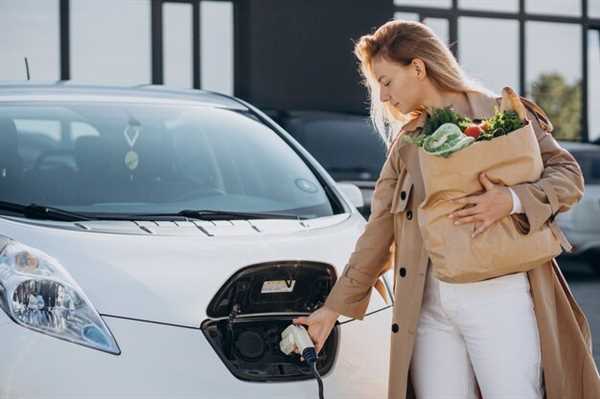
Establishing robust subsidies for electric vehicle buyers directly boosts sales figures and encourages investments in environmentally friendly technologies. Policymakers must increase funding for these financial perks, ensuring accessibility for a wider audience.
Regulatory measures such as stringent emission standards push manufacturers toward electric alternatives, expediting innovation within the industry. These regulations compel automakers to adapt their strategies, further enriching the variety available to consumers.
Investment in charging infrastructure is critical, as convenient access to charging stations alleviates consumer anxiety about range limitations. Governments should allocate funds for building a comprehensive network that connects urban and rural areas alike.
- Implement tax credits for consumers purchasing EVs
- Support grants for companies innovating in battery technology
- Facilitate partnerships between public entities and private firms to expand charging facilities
Public awareness campaigns are vital for promoting the benefits of electric vehicles. Efforts should focus on educating citizens about savings on fuel and maintenance, as well as positive environmental impact.
Establish programs that target fleet electrification among public transportation systems, as these initiatives create a ripple effect, demonstrating the practicality of electric vehicles for everyday use.
Prioritize long-term investments in renewable energy sources to power electric vehicles, ensuring a sustainable relationship between EVs and the energy grid. This strategy aligns environmental goals with economic growth.
Monitoring and evaluating existing policies will allow governments to adapt and refine their approaches, ensuring maximum effectiveness in accelerating adoption rates within an evolving landscape of consumer preferences.