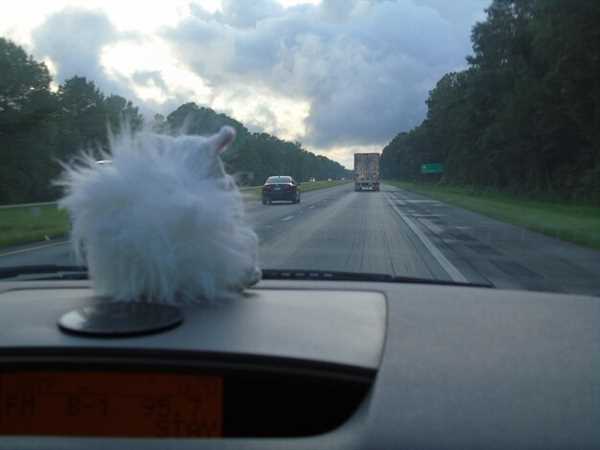
Maintain a safe following distance. Keeping at least three seconds behind the vehicle in front of you gives ample time to react to sudden stops or emergencies.
Consistently use turn signals. Communicating intentions clearly to surrounding vehicles can prevent confusion and unexpected maneuvers, which often lead to collisions.
Adhere to speed limits. Observing posted speed regulations not only enhances your ability to react but also reduces the severity of potential impacts.
Avoid distractions. Staying focused on the road, free from phone usage or other disturbances, minimizes the chances of missing critical information while driving.
Check blind spots diligently. Regularly scanning mirrors and turning your head can uncover vehicles or obstacles that might otherwise go unnoticed, ensuring safer lane changes.
Use headlights properly. Engaging headlights during adverse weather conditions improves visibility and allows others to see your vehicle more easily, enhancing overall safety.
Practice defensive driving. Being aware of other drivers’ behaviors and anticipating potential issues allows for better preparation and response to unexpected situations.
Limit nighttime driving. Reduced visibility can increase the likelihood of mishaps. If possible, plan trips during daylight hours for enhanced safety.
Keep your vehicle maintained. Regular checks on brakes, tires, and lights ensure your car is in optimal condition, reducing the chance of mechanical failures leading to incidents.
Stay calm in traffic. Keeping emotions in check helps you make rational decisions rather than impulsive, potentially dangerous ones.
Adjusting Speed According to Road Conditions
Always evaluate your velocity based on the current surface and weather details. Wet, icy, or muddy roads require a significant decrease in pace to maintain control. For instance, during rain, reduce your speed by at least 20% to prevent hydroplaning. In snowy conditions, a 50% reduction may be necessary.
Be mindful of visibility as well. Heavy fog or rain can cut down sight distance, necessitating slower movement. Always keep a good distance from the vehicle ahead; a longer stopping distance is crucial in adverse conditions.
Look for signs indicating speed limits that adapt to changing environments. Construction zones, for example, typically have lower allowable speeds to enhance safety for everyone involved.
Anticipate road surface changes; gravel and newly paved sections can affect traction. If transitioning from one surface to another, ease off the accelerator gently to avoid skidding.
Lastly, adjust your pace according to surrounding traffic. Stay aware of other vehicles, particularly larger ones, which may behave unpredictably in various conditions, and adapt your speed accordingly to maintain a safe environment.
Maintaining Safe Following Distances

Maintain at least a three-second gap between your vehicle and the one in front. This time frame allows for adequate response if sudden braking occurs.
Adjust following distance during adverse weather conditions; consider doubling the space in rain or snow. Slippery surfaces require longer stopping distances.
Be vigilant when approaching a stop light or traffic jam. Lower speed diminishes the stopping distance required, but a safe buffer remains essential.
Utilize the “two-second rule” as a baseline. Observe a fixed roadside object; if your car passes it before counting to two, increase your distance.
Avoid distractions such as mobile devices. Staying focused promotes quicker reactions and supports maintaining appropriate distances.
Always account for the size of the vehicle in front. Larger vehicles may take longer to stop, necessitating increased space.
Be aware of tailgating vehicles. If someone is closely following, allow extra distance ahead to mitigate potential collisions.
Consistently check mirrors for surrounding traffic. Awareness of your environment aids in adjusting distances as needed.
Finally, incorporate regular practice into your routine. Familiarity with safe spacing will reinforce the practice and make it a second nature.
Minimizing Distractions Inside the Vehicle
Silence notifications on your phone before hitting the road. This prevents the urge to check messages or alerts while operating the vehicle.
Secure all personal items in a designated area to avoid unnecessary movements or searching for things during travel.
Utilize hands-free technology for calls to maintain focus. This allows for conversation without the need to hold the device.
Familiarize yourself with navigation systems before departure. Input destinations in advance to avoid distractions caused by adjusting settings on the go.
Avoid eating or drinking while driving. Consuming food can divert attention and lead to spills that require clean-up.
Limit conversations with passengers that may distract attention from the road. Inform them of the need to keep discussions to a minimum during critical driving situations.
Ensure the radio or entertainment system is set to a volume that doesn’t impede auditory perception of important sounds, like sirens or honking.
Establish a routine for managing in-vehicle climate controls before starting. Constant adjustments while driving can take focus away from the road.
Stay focused on the driving task by setting aside personal thoughts or worries. Mindfulness techniques can enhance concentration and reaction times.