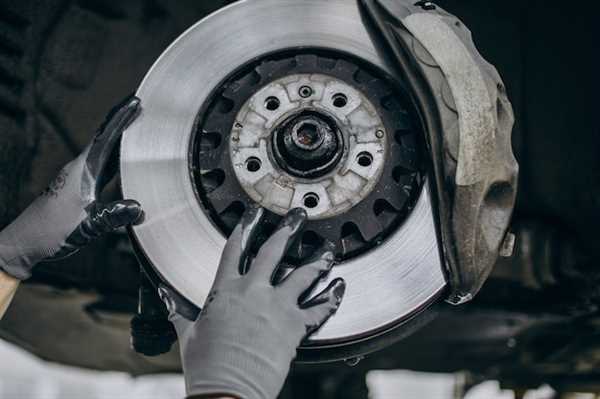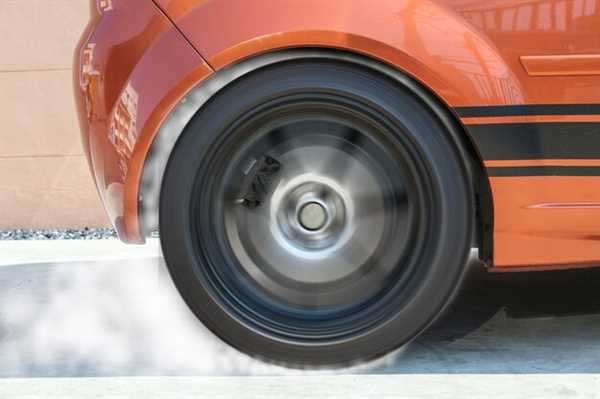
The turbocharger offers significant advantages in terms of efficiency and power delivery, making it an optimal choice for many modern performance vehicles. This technology harnesses exhaust gases to generate additional airflow into the engine, leading to enhanced power without a dramatic increase in fuel consumption.
In contrast, the supercharger provides immediate throttle response, as it relies on the engine’s crankshaft to function. This instant power can be particularly advantageous in applications requiring rapid acceleration, such as sports cars or muscle cars. However, this comes at the cost of engine load, as it consumes power directly from the engine’s output.
While both technologies have their merits, factors such as driving style, vehicle type, and usage scenarios should guide your choice. Consider whether maximum efficiency and high-end power are priorities or if immediate response is more suited to your driving habits. Exploring your specific requirements will lead to an informed decision tailored to your automotive needs.
Turbo vs Supercharger: Which Boost is Best for Your Ride
The decision between a forced induction system largely depends on specific driving needs and preferences. Each system has distinct characteristics that can impact performance, efficiency, and overall driving experience.
Consider these factors when choosing:
- Power Delivery: Supercharged engines typically provide instant power, improving throttle responsiveness. This is beneficial in scenarios requiring rapid acceleration.
- Efficiency: Turbo systems usually enhance fuel efficiency and generate more power from less fuel, making them ideal for those prioritizing mileage alongside performance.
- Heat Management: Superchargers can lead to higher engine temperatures due to their direct connection to the crankshaft, whereas turbos utilize exhaust gases, which can aid in dissipating heat.
- Maintenance: Supercharged units may demand less frequent maintenance due to their simpler design compared to turbochargers, which can have more components and complexity.
- Sound Profile: Supercharging often delivers a more aggressive sound, appealing to enthusiasts who appreciate an audible performance signature.
- Installation Ease: Superchargers are often simpler to install, providing quicker modifications for enthusiasts looking to enhance vehicle performance without extensive modifications.
Ultimately, consider your performance goals, budget, and vehicle compatibility to make an informed choice that aligns with your driving style.
Understanding the Mechanics: How Turbochargers Work
A turbocharger operates by utilizing exhaust gases to spin a turbine, which, in turn, drives a compressor located on the intake side. This process enhances the engine’s air intake, allowing for a denser mixture of air and fuel. As a result, it increases the power output without significantly altering engine displacement.
One key component is the turbine housing. It captures exhaust flow and directs it towards the turbine wheel. As the exhaust gases expand and exit the engine, they induce rotation in the turbine. It’s crucial that the design of the turbine minimizes back pressure to ensure optimal performance.
The compressor, situated on the opposite side of the turbine, operates to compress the incoming air. This compressed air is then sent into the combustion chamber. The cooling of this air, typically through an intercooler, is necessary to increase density and reduce the chances of knock during combustion.
Maintaining appropriate shaft speed is essential. A wastegate controls the flow of exhaust gases to the turbine, preventing overspeed conditions that can lead to failure. The choice between electronic and pneumatic wastegates depends on the vehicle’s system and desired response characteristics.
In summary, understanding these mechanics allows for informed decisions regarding modifications or integrations. Factors like displacement, boost pressure, and engine accessories can all influence the overall outcome and efficiency of the setup.
Comparing Performance: Supercharger Benefits and Drawbacks
For instant power delivery and increased throttle response, selecting a mechanically driven variant is optimal. These systems provide boost from idle, resulting in seamless acceleration without lag, making them ideal for street performance where responsiveness is crucial.
One advantage is the simplicity of installation, typically requiring less complex plumbing and fewer electronic components than their counterparts. Maintenance tends to be straightforward, as they operate on engine speed rather than relying on exhaust gases, which can introduce additional complications.
However, fuel consumption can be a drawback, as these units draw power directly from the engine, potentially impacting overall efficiency, especially during high-demand situations. This connection can result in increased heat generation, necessitating effective cooling solutions to maintain performance integrity.
Furthermore, the sound produced is often more aggressive and appealing to enthusiasts, adding to the driving experience. Conversely, adding weight to the front end can alter handling dynamics, requiring adjustments to suspension settings for optimal balance.
Consider these factors carefully based on driving goals and vehicle applications. Assess performance priorities alongside potential trade-offs to make an informed decision that aligns with individual preferences and requirements.
Cost and Maintenance: Which Boost Solution Fits Your Budget
The ideal choice for those on a budget leans toward turbochargers due to their lower upfront costs. Rough estimates suggest that turbocharger installations can range between $1,500 to $3,500, while their counterparts typically start at around $3,000 and can escalate significantly depending on the model.
Maintenance expenses also play a critical role. Turbochargers generally require less frequent servicing, often needing only oil changes and occasional inspections, while positive displacement counterparts may necessitate more comprehensive care, including belt replacements and servicing of additional components.
Fuel efficiency can impact long-term costs as well. Turbochargers can provide better performance without significantly increasing fuel consumption, making them a cost-effective choice for daily driving.
Be mindful of the environment where the vehicle will operate. Harsh conditions can lead to more wear and tear on components. Turbochargers might show resilience in varied climates, while positive displacement systems can be more sensitive, leading to additional costs.
In short, for those seeking a balance between performance, installation expenses, and maintenance commitments, opting for a turbocharger may offer the best alignment with cost considerations.