
Transition to a greener lifestyle is critical; embrace the shift towards electric models. According to recent studies, adoption rates have surged by over 50% in many urban areas, indicating a strong consumer preference for environmentally friendly options.
With government incentives promoting the shift, numerous automakers are advancing their production lines to prioritize battery-powered models. An impressive forecast estimates that by 2030, up to 40% of new registrations could comprise these advanced automobiles, reshaping what we consider conventional transport.
Additionally, advancements in charging infrastructure are accelerating this trend. Many cities now feature extensive charging networks, with some regions reporting charge point availability that exceeds traditional refueling stations. This increased accessibility is set to redefine personal mobility, allowing for longer commutes without range anxiety.
Adopting these modern cars also corresponds with significant savings on fuel and maintenance. An average driver can save thousands over a vehicle’s lifespan, encouraging a rapid transition to electric solutions.
As technology evolves, performance enhancements and innovation in design are becoming indispensable. Anticipate lighter materials, improved battery life, and advanced driver-assistance systems shaping the new era of personal transport.
Cost Savings of Electric Vehicles Compared to Gasoline Cars
Switching to an EV can lead to substantial savings. Owners can save significantly on fuel costs; electricity is generally cheaper than gasoline. For example, charging an EV might cost around $0.13 per kilowatt-hour in the U.S., compared to approximately $3.50 for a gallon of gasoline, translating to a cost of around $1.00 to drive 25 miles in an EV versus $3.50 in a traditional car.
Maintenance is another area where savings are evident. EVs typically require less upkeep. With fewer moving parts and no oil changes needed, annual maintenance costs can be reduced by 30% or more. Brake components in electric models last longer due to regenerative braking, cutting replacement expenses over time.
Government incentives also bolster financial benefits. Many regions offer tax credits, rebates, or grants that can lower the initial purchase price of electric cars. These incentives can range from $2,500 to over $7,500, depending on local policies.
Insurance rates for electric cars may be lower, depending on factors such as safety ratings and repair costs. Additionally, the longevity of batteries, which can last 8 to 15 years, ultimately contributes to lower ownership costs over the vehicle’s lifespan.
Considering all factors, annual savings from fuel, maintenance, government incentives, and potential insurance reductions can amount to thousands of dollars, making the transition to an electric model highly economical in the long run.
Infrastructure Development for Supporting Electric Vehicle Adoption
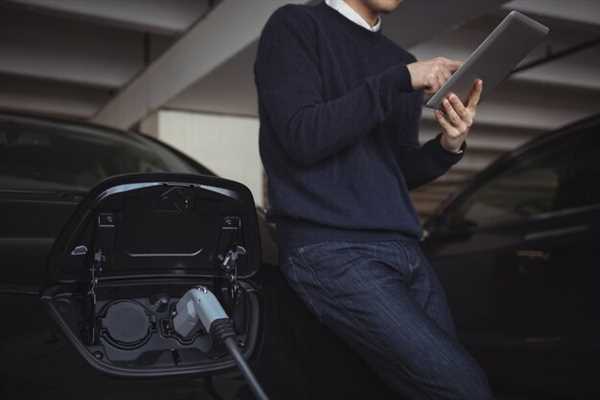
To enhance the integration of battery-operated cars, cities should prioritize the installation of fast-charging stations in strategic locations, such as parking lots, shopping centers, and along major highways.
Local governments must collaborate with private sector partners to provide ample funding for charging infrastructure, ensuring accessibility for all users. Incentives for businesses that install EV charging points can drive growth and participation.
Smart grid technology should be implemented to manage increased energy demand efficiently, allowing for real-time monitoring and distribution. This can aid in minimizing the environmental footprint as consumption patterns evolve with rising EV usage.
Developing standardized charging interfaces and payment systems will improve user experience, encouraging more drivers to transition to cleaner options. Interoperability between different manufacturers can streamline charging and payment processes.
Cities should also consider dedicated lanes for electric models and promote solar-powered charging stations to further reduce reliance on fossil fuels. Public awareness campaigns can educate consumers on the benefits and availability of these advancements.
Lastly, integrating these systems into urban planning will create a seamless transition for future generations, fostering a shift towards sustainable mobility and encouraging the widespread adoption of plug-in cars.
Impact of Electric Vehicles on Environmental Sustainability

Shifting to EVs significantly reduces carbon emissions compared to traditional gasoline-powered autos. Research shows that operating an electric car can result in up to 70% lower greenhouse gas emissions over its lifetime, especially when charged with renewable energy sources.
Chargers powered by solar or wind energy contribute to cleaner air quality, minimizing health risks associated with pollution. Areas that adopt electric transports often experience improved local air conditions, which can reduce respiratory and cardiovascular diseases among residents.
The demand for electric cars has catalyzed advancements in battery technology, driving down the costs of production and promoting the recycling of materials. Efficient resource use decreases environmental strain, as less raw material is required for batteries, leading to reduced mining impacts.
Governments backing the ecosystem of electric mobility, including incentives for purchasing EVs, infrastructure improvements, and investment in sustainable technologies, can amplify the positive effects on the environment. Cities implementing EV charging networks see increased adoption rates among consumers, driving significant strides towards sustainability.
Public transportation can also benefit from electrification, yielding broader reductions in emissions. Electrifying bus fleets represents a smart strategy for municipalities aiming to enhance urban air quality while reducing operational costs.
Ultimately, the transition to electric transportation not only addresses climate change but also guides society towards sustainable living with significant, measurable benefits. This path fosters economic growth by creating jobs in battery manufacturing, charging infrastructure, and renewable energy sectors.