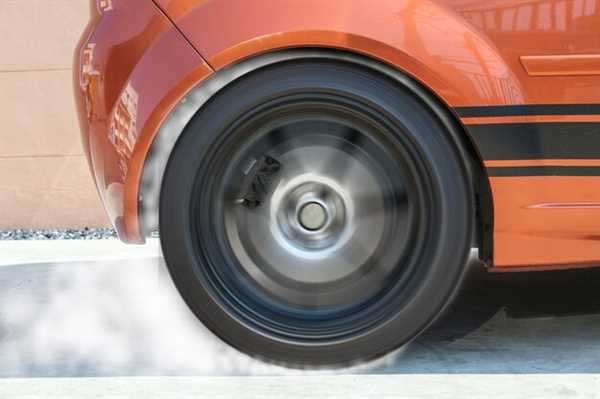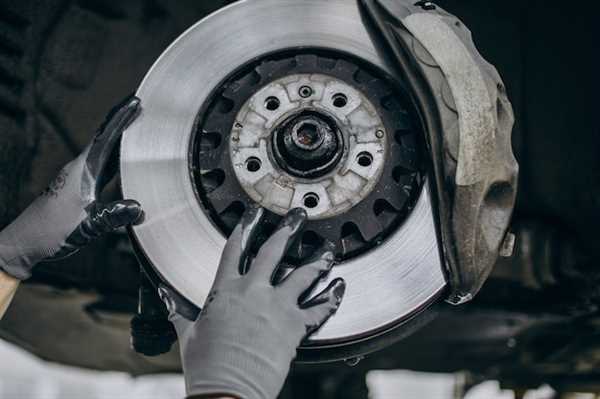
Consider investing in high-performance rotors and pads. These elements play a critical role in reducing stopping distances and improving response time during braking maneuvers. Utilizing materials such as ceramic or carbon metallic can provide better heat dissipation, preventing fade during prolonged use.
Incorporating stainless steel brake lines can significantly improve pedal feel and responsiveness. Unlike standard rubber lines, these braided lines resist expansion under pressure, ensuring a firmer braking experience. This modification not only enhances overall control but also increases durability over time.
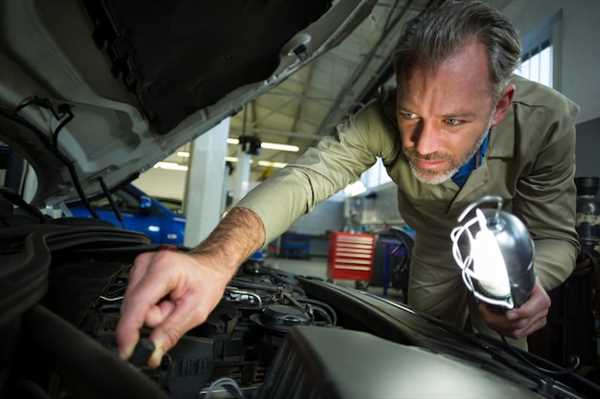
Regular maintenance is key. Inspecting and replacing worn parts often can prevent potential hazards on the road. Ensure to check for fluid levels in the hydraulic system and keep an eye out for leaks. High-quality brake fluid not only improves performance but also contributes to the longevity of the entire setup.
Consider upgrading to an anti-lock braking mechanism if your vehicle lacks this feature. This technology prevents wheel lock-up during sudden stops, allowing for better steering control and reducing the risk of skidding on wet or slippery surfaces. Knowledge and proactive measures lead to enhanced performance and peace of mind.
Choosing the Right Brake Pads for Enhanced Stopping Power
Select semi-metallic or ceramic pads based on driving habits. Semi-metallic options excel under high temperatures, ideal for spirited driving. Ceramic pads offer quieter operation and reduced dust, making them suitable for daily commuting.
Pay attention to the friction coefficient. Higher values deliver stronger stopping force, particularly important in emergency scenarios. It’s advisable to consult manufacturer specifications to ensure compatibility with the existing equipment.
Consider the heat management properties. Look for pads designed with advanced cooling technologies. This feature helps maintain performance during prolonged use, particularly in heavy traffic or mountainous terrains.
Evaluate the wear characteristics. Opt for products that balance longevity with performance. Quality pads should minimize rotor wear while providing consistent braking power throughout their lifespan.
Installation requires proper alignment and bedding procedures. Follow guidelines to ensure optimal contact between the pad and rotor, enhancing overall stopping efficiency.
Understanding Brake Rotor Options for Improved Performance
Ceramic rotors offer superior heat dissipation and lightweight construction, enhancing responsiveness during extreme conditions. Consider these for high-performance applications, as they withstand fade better than standard materials.
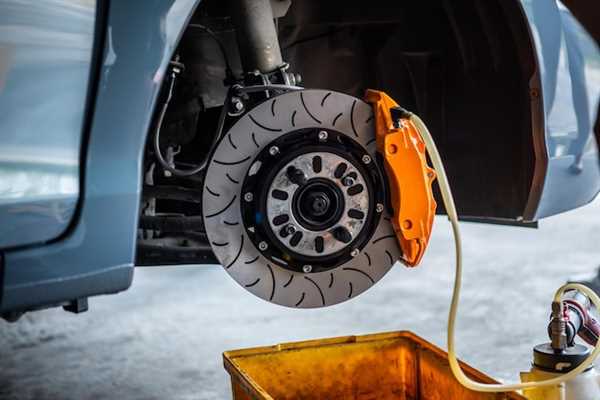
Slotted rotors, featuring grooves cut into their surface, help expel gases and dust. They provide enhanced grip and are effective for both street and track use, reducing stopping distances significantly.
Drilled rotors improve cooling by increasing airflow, making them suitable for aggressive driving. However, ensure compatibility with your calipers to avoid cracking under stress.
For everyday driving, vented rotors strike a balance between cost and performance. They provide reliable stopping power while maintaining acceptable temperature levels under normal conditions.
Choosing the right rotor type hinges on driving habits and environmental factors. Assess personal needs and seek components that enhance stopping performance while maintaining durability.
Installing Aftermarket Brake Calipers: Pros and Cons
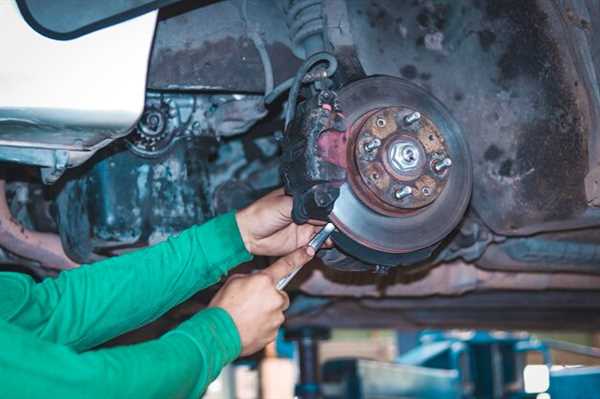
Switching to aftermarket brake calipers can enhance performance significantly. These components often provide improved clamping force and heat dissipation, resulting in better stopping power. Manufacturers typically design them for specific needs, allowing customization based on driving style and requirements.
However, potential drawbacks exist. Compatibility with existing brake components is crucial; improper installation may lead to reduced functionality or even failure. Increased weight from high-performance calipers may also impact handling dynamics. Moreover, the expense of high-end calipers can be considerable, which may deter budget-conscious drivers.
Consider evaluating your specific driving conditions and goals before making a purchase. If frequent hard stops are typical, upgraded calipers can benefit performance. Individuals prioritizing comfort and daily commuting may state stock options are sufficient.
Keep in mind the need for regular maintenance and possible increased wear on pads due to increased friction levels. Overall, understanding both the advantages and disadvantages will guide you in making an informed choice that aligns with your automotive ambitions.