
The integration of hydrogen into the automotive sector is advancing rapidly, with manufacturers increasingly focusing on alternatives to traditional fossil fuels. Data indicates that the global market for hydrogen cars is projected to reach approximately $36 billion by 2027, reflecting a compound annual growth rate of around 60%. Stakeholders should consider investing in research and development initiatives that enhance fuel cell technology efficiency and reduce production costs.
Recent advancements highlight significant breakthroughs in storage and distribution methods, making it essential for automotive companies to align with green energy policies and infrastructure development. Collaborations with energy providers can facilitate the establishment of hydrogen refueling stations, crucial for supporting the growing number of hydrogen-based automobiles on roads.
Moreover, cities looking to lower emissions should prioritize incentives for consumers purchasing hydrogen vehicles. Programs that subsidize fuel cell technology could accelerate market acceptance while fostering a shift from internal combustion engines to cleaner alternatives. Companies venturing into this area must stay attuned to regulatory changes and public sentiment to ensure their offerings resonate with eco-conscious consumers.
Advancements in Hydrogen Fuel Cells for Automotive Applications
Recent breakthroughs in hydrogen fuel cell technology have significantly boosted efficiency in cars. Enhanced catalysts, such as novel platinum alloys and alternative materials, are reducing costs and increasing performance of fuel cells. Researchers report that next-generation membranes improve proton conductivity while decreasing thickness, leading to lighter setups with higher power output.
Integration of advanced manufacturing techniques, including 3D printing, allows for custom fuel cell components, minimizing waste and optimizing performance. Companies are exploring modular designs, offering scalable solutions that could adapt to varying car sizes and requirements, making hydrogen solutions more versatile.
Battery technology convergence with hydrogen systems is gaining traction, with some manufacturers developing hybrid approaches that utilize both methods for energy storage and propulsion. This synergy may lead to better range and quicker refueling times, addressing common consumer concerns about current offerings.
Investments in infrastructure are critical; stations equipped with quicker refueling capabilities are being developed, streamlining user experience. Partnerships between automakers and energy providers are essential to enhance accessibility and reliability of hydrogen sources, fostering greater public acceptance.
Sustainability remains a priority, with innovations focusing on green hydrogen production methods, such as electrolysis powered by renewable sources. This shift not only addresses emissions but also promotes a cleaner energy cycle that aligns with global environmental goals.
Infrastructure Challenges for Hydrogen Refueling Stations
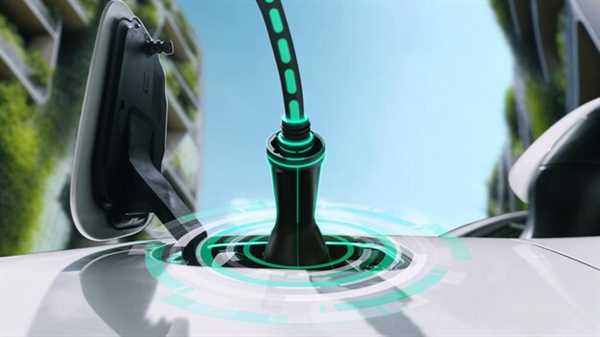
To facilitate the growth of hydrogen-powered cars, investment in a robust infrastructure is critical. An immediate recommendation is to increase the number of refueling stations in urban areas and along major highways. Currently, the limited availability of refueling sites discourages potential users; therefore, partnership with local governments and private entities can accelerate station deployment.
Secondly, standardization of refueling technology is necessary. Currently, various systems exist, which complicates vehicle compatibility. Developing unified protocols will ensure that cars across different manufacturers can utilize the same refueling infrastructure, thus broadening adoption and reducing consumer confusion.
Additionally, addressing safety concerns related to hydrogen handling is paramount. Effective training programs for station operators and awareness campaigns for the public can enhance the perception of safety surrounding hydrogen technology. Furthermore, comprehensive safety regulations must be enforced to mitigate risks during refueling.
Collaboration with energy providers is crucial to secure the supply of hydrogen, especially green hydrogen sourced from renewable energy. Building partnerships with these suppliers can lead to more sustainable and consistent hydrogen availability at refueling stations.
Investment in research focused on improving the efficiency of hydrogen production, storage, and dispensing will enhance overall infrastructure effectiveness. Innovations in these areas can lead to cost reductions and faster refueling times, making hydrogen cars more appealing to consumers.
Comparing Hydrogen Vehicles with Battery Electric Vehicles

For those considering options in eco-friendly cars, both hydrogen and battery electric alternatives offer unique advantages and challenges. Hydrogen cars excel in refueling times, taking just 3-5 minutes, compared to the often lengthy charging durations associated with battery-powered models. This quick refill capability is particularly beneficial for long-distance travel.
On the other hand, battery electric cars currently boast a more developed infrastructure with an extensive network of charging stations, which can ease concerns over availability when traveling. This established network allows for greater convenience in urban areas, where charging stations are commonplace.
In terms of energy efficiency, battery electric vehicles typically convert around 70-80% of electrical energy from the grid to power at the wheels. In contrast, hydrogen systems convert about 40-60% of the energy from the hydrogen fuel to motion. While the numbers suggest battery options are generally more efficient, hydrogen can be advantageous in specific applications, such as heavy-duty transport, where longer ranges and faster refueling times matter more.
Price remains an important factor as well. As of now, battery electric cars usually have a lower entry price; however, the cost of hydrogen infrastructure and fuel cells may pose higher upfront investments. Yet, grants and incentives are becoming more common for both categories, aiding in offsetting costs.
Furthermore, environmental impact is a critical factor in the discussion. Battery electric cars rely on lithium-ion batteries that raise concerns regarding mining and disposal, while hydrogen production can be cleaner if derived from renewable sources. Evaluating energy sources for both types is essential for understanding their overall ecological footprint.
The choice between hydrogen and battery electric models ultimately hinges on specific needs, including range, charging availability, and environmental priorities. Those prioritizing quick refueling and longer-range vehicles might find hydrogen more appealing, while individuals seeking convenience in city driving may favor battery options.