
Electric cars have gained traction, yet various misconceptions continue to cloud public perception. For instance, a prevalent belief is that these cars lack performance capabilities compared to traditional gas-powered models. In reality, many contemporary EVs deliver impressive acceleration and handling, with several models outperforming their gasoline counterparts in both speed and agility.
Another common claim is the limited range of electric cars. While early versions faced range anxiety, advancements in battery technology now allow many EVs to travel over 300 miles on a single charge. It’s wise to consider your driving habits; for average daily commutes, the range of current models is often more than adequate.
Concerns about charging infrastructure are also frequent. However, growing investments in charging networks are rapidly expanding accessibility. Home charging stations are becoming a standard installation, making it simple for users to power their vehicles overnight. Given these advancements, potential buyers should reassess outdated notions regarding the practicality of switching to an electric car.
Exploring Battery Life Misconceptions in EVs
Consider the reality that modern automobiles equipped with lithium-ion batteries typically last between 8 to 15 years, depending on usage and climate. This might contradict the belief that battery packs are quickly depleted or require constant replacement. Regular maintenance and software updates can significantly enhance battery longevity.
Charging frequency is often misunderstood. Contrary to popular belief, frequent charging does not harm the battery; it’s better to keep charge levels between 20% and 80% for optimal health. Allowing the battery to fully deplete can lead to unnecessary strain, shortening its lifespan.
Temperature affects performance. Extremes in heat or cold can diminish efficiency, yet manufacturers design packs to withstand varied conditions. Investing in models with active thermal management systems offers greater resilience against temperature fluctuations.
Future innovations will further transform battery technology. Solid-state batteries, which promise quicker charging times and increased safety, could replace traditional lithium-ion ones. Understanding these advancements allows consumers to make informed decisions regarding their transportation options.
Lastly, many assume that the environmental impact of battery disposal is detrimental. Recyclability is improving, and efforts to reclaim valuable materials are becoming more effective. This progress ensures that electric cars remain a sustainable choice for the future.
Understanding Charging Time vs. Gasoline Refueling

Charging an EV typically takes longer than refueling a gasoline car. Home charging stations can take anywhere from 4 to 12 hours for a full charge, depending on the vehicle’s battery capacity and the charger type. Fast chargers, usually found at public charging stations, can provide around 80% charge in about 30 minutes.
For reference, gasoline refueling usually takes about 5 minutes. However, consider that the average driver spends over 90% of their time parked. This provides an opportunity for overnight charging, allowing EV owners to start each day with a full battery.
In terms of convenience, many choose to install a Level 2 charger at home to significantly reduce charging times. While the time required for electricity refueling may seem longer at a glance, the ability to charge at home provides flexibility that gasoline stations cannot match.
The future of EV infrastructure is continually improving, with advancements in charging technology reducing times and increasing network availability. Options like battery swap stations and ultra-fast charging will further close the gap between charging times and traditional refueling methods.
Clarifying Environmental Impact Myths Surrounding Electric Cars
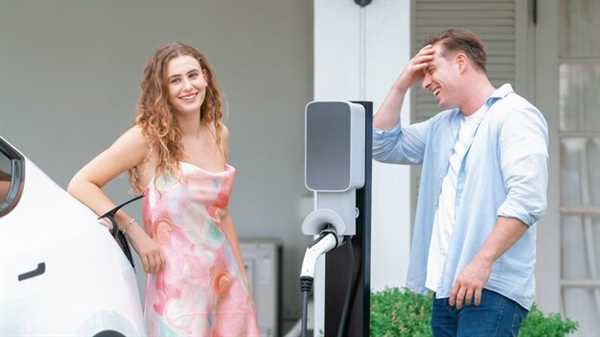
Research shows that transitioning to battery-powered autos significantly reduces greenhouse gas emissions compared to traditional gasoline models. The manufacturing process of batteries generates emissions, but lifetime analyses demonstrate that the total carbon footprint of electric options is lower.
Furthermore, the energy source for charging plays a pivotal role. While fossil fuels contribute to emissions, using renewable energy sources such as solar or wind can make driving electric cars virtually carbon-neutral. Utilizing clean power for charging in the future will enhance their eco-friendliness.
Another misconception is related to battery disposal. Many contemporary batteries are recyclable, allowing metals and materials to be reused. Supporting recycling infrastructures is essential in minimizing environmental harm.
Additionally, the advancements in technology and research are leading to improved battery efficiencies and longer life spans, which decreases the frequency of replacements. Automakers are investing in sustainable materials, reducing overall environmental impact.
Pursuing electric automobiles represents a step forward in sustainable transportation. Consumer choices today will shape a greener future for generations to come.