Install high-quality headlights that provide maximum brightness and a wide beam pattern. Look for LED options, as they consume less energy and last significantly longer than traditional bulbs.
Regularly clean your car’s lenses and headlights. Dirt, grime, and oxidation can dim their output, making it harder to see and be seen, especially in adverse weather conditions.
Consider adding auxiliary lights for better road illumination during nighttime drives. Fog lights can narrow down visibility in poor weather, ensuring that you navigate the road safely.
Adjust your headlights properly to avoid blinding other drivers while still maximizing your own visibility. Misaligned headlights can hinder your ability to see effectively at night and pose a danger to others.
Invest in reflective tape or stickers to enhance your car’s visibility, particularly in low-light situations. These additions can alert other motorists to your presence in dark environments.
Choosing the Right Car Headlights for Night Driving

Select high-intensity discharge (HID) or light-emitting diode (LED) headlights for superior illumination. These options provide brighter beams compared to traditional halogen bulbs, enhancing safety on dark roads.
Consider beam pattern as a significant factor. Opt for headlights that offer a focused beam to minimize glare for oncoming drivers while maximizing the area illuminated ahead.
Look for headlights that have adjustable settings. Being able to switch between high and low beams allows for better adaptability to varying road conditions and traffic situations.
Ensure the selected lights have a durable construction. This guarantees longevity and reliable performance, essential for night driving during adverse weather conditions.
Check the color temperature of the headlights. A color temperature around 4000K to 6000K offers a balanced white light that enhances depth perception without causing eye strain.
Lastly, verify compliance with local regulations. Some regions have specific requirements regarding the type of headlights allowed. Adhering to these laws is critical for safety and avoiding fines.
Regular Maintenance Tips for Optimal Light Performance

Check light bulbs regularly for signs of wear. Replace any bulbs that flicker or are dim to ensure consistent brightness and safety.
Clean fixtures frequently. Dust and grime can significantly reduce illumination levels. Use a soft cloth and appropriate cleaning solution.
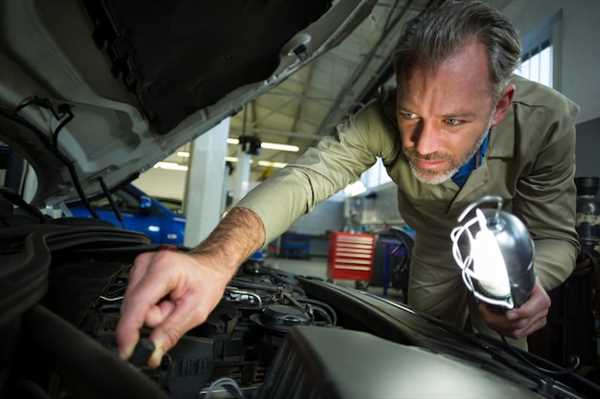
Inspect wiring connections for corrosion or damage. Secure connections to prevent electrical failures that can compromise light functionality.
Adjust the angle of lights to enhance the effectiveness of illumination areas. This is particularly important for outdoor lighting around driveways and pathways.
Test the light’s alignment periodically. Misaligned beams may create blind spots, which could pose risks for vehicles.
Consider using waterproof covers for outdoor lights. This prevents moisture from affecting performance and extends the lifespan of the fixtures.
Replace aging headlights in vehicles to maintain road safety. Dull headlights reduce clarity and can impede driving at night or in bad weather conditions.
Check the fuse box to ensure that all circuits related to lighting operate correctly, avoiding unexpected outages.
Stay aware of local regulations regarding outdoor lighting, as excessive brightness can cause disturbances and impact safety.
Schedule annual professional inspections to address any potential issues before they affect light output or safety. Regular assessments can catch problems early and lead to long-term savings.
Understanding the Importance of Fog Lights in Adverse Weather
Install fog lights on your car to significantly enhance road illumination during challenging conditions like fog, rain, or snow. These lights produce a low, wide beam that avoids reflecting off the fog and allows better penetration, making obstacles and road signs easier to see.
When choosing fog lights, opt for LEDs for brighter output and longer lifespan compared to traditional halogens. Ensure they are properly aimed; an incorrect angle can create glare for other drivers, negating the intended benefit.
Use fog lights only when necessary; they can be a distraction if used in clear weather. Always turn them off when visibility clears or when driving in regular conditions to comply with traffic laws.
Regular maintenance is key–check and clean the lenses to prevent dirt and moisture buildup that can hinder performance. Replace any burnt-out bulbs immediately to ensure your car remains equipped for adverse weather.
Lastly, familiarize yourself with local regulations regarding fog light usage to avoid fines and ensure safety on the road.