
Ensure to clean terminals regularly; this prevents corrosion that can hinder performance. Use a mixture of baking soda and water to remove any buildup effectively. A wire brush can help in getting into tight spots. Inspect connections for tightness and wear. Loose or damaged connections can lead to voltage drops, affecting the overall function.
Check water levels if the power source is of the conventional type. Refill with distilled water when necessary, covering plates without overfilling. Be cautious, as excess fluid can cause spillage during charging.
Temperature extremes can drastically affect longevity. During harsh winters or scorching summers, consider using a battery blanket to insulate against temperature fluctuations. Regular short drives can recharge any lost energy, ensuring stability in cold weather.
Finally, periodically running a performance test with a multimeter can help you assess the health of your power source. Knowing the voltage and ensuring it falls within the recommended range can alert you to potential failures before they occur.
Regularly Inspect and Clean Battery Terminals
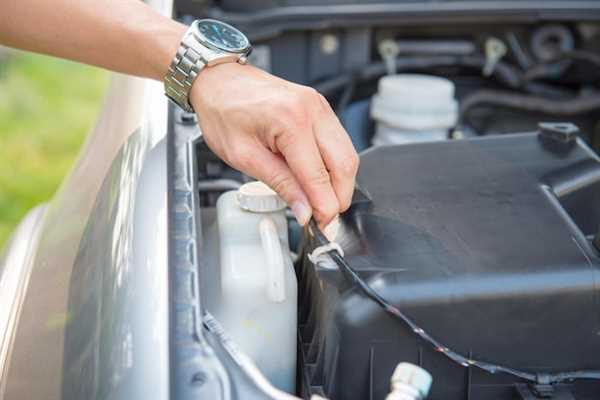
Inspect terminals at least once a month for corrosion buildup. Remove any rust-colored residue with a mixture of baking soda and water. Use a wire brush or an old toothbrush to scrub terminals gently. Rinse with water and dry thoroughly to prevent moisture buildup, which can lead to future corrosion.
Ensure that connectors are tightened securely to prevent loose connections that can cause power loss. Apply a thin layer of petroleum jelly on the terminals after cleaning to create a protective barrier against oxidation. This simple care routine can significantly extend the lifespan of the unit.
If corrosion is extensive, consider replacing the affected terminals to ensure optimal connectivity and performance. Proper repair or replacement can save effort and expenses in the long run.
Monitor Battery Health with Voltage Tests
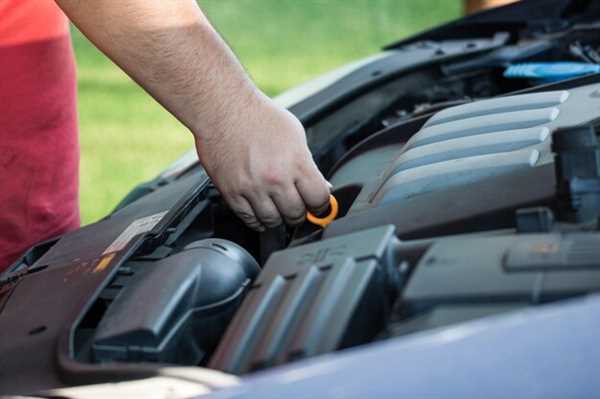
Regular voltage tests are critical for ensuring the longevity of your power source. Use a multimeter to check the voltage level; a healthy unit typically shows around 12.6 volts or more when fully charged.
If the reading falls below 12.4 volts, consider a recharge. At 12.0 volts, the power source may need replacement. Test under load conditions as well, as this reflects real-world usage better.
Conduct these assessments every few months or before long trips to catch potential issues early. Also, monitor connections for corrosion or wear; clean terminals can significantly enhance performance.
By performing regular voltage tests, you’ll place yourself in a proactive position to care for your power source, reducing the likelihood of inconvenient failures and costly repairs.
Avoid Deep Discharge and Maintain Charging Cycles
Regularly avoid allowing the energy source to drop below 50%. Deep discharge can significantly reduce its lifespan and performance. Aim to recharge promptly to prevent damage.
Incorporating a routine charging cycle is crucial. Charge after short trips and particularly in cold weather, as low temperatures can hinder performance. Utilize a smart charger to prevent overcharging, which may lead to unnecessary wear.
Inspect connections frequently for corrosion, which can impede electricity flow. Clean connectors and ensure a tight fit to enhance reliability during use.
Consider the impact of electronic accessories. Limit usage while the vehicle isn’t running, as these can drain power even when not in motion. Regularly check your vehicle’s electrical system to identify potential issues before they arise.
Schedule periodic checks to confirm the energy reservoir is functioning optimally. If a significant drop in performance is noticed, consult with a technician to evaluate necessary repairs and adjustments.