• Car Maintenance and Repair

    Why Regular Fluid Checks Save You Money

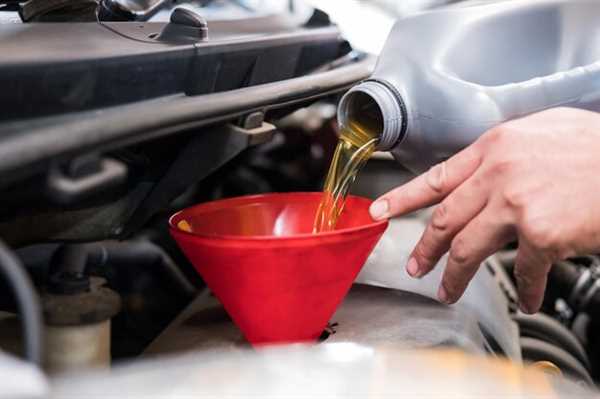
    Ensure optimal performance and longevity of your vehicle by conducting thorough assessments of its fluids. Regular attention to oil, coolant, brake fluid, and transmission fluid levels not only enhances efficiency but also prevents costly repairs. Keeping these liquids in check protects vital engine components and improves fuel economy, a significant factor in long-term savings. Establishing a routine for monitoring these substances can drastically reduce the risk of breakdowns. A simple visual inspection, combined with periodic professional evaluations, creates a proactive approach to vehicle care. Skipping this maintenance often leads to overheating engines, brake failure, or transmission issues, driving repair expenses…

  • Car Maintenance and Repair

    DIY Guide to Replacing Brake Pads

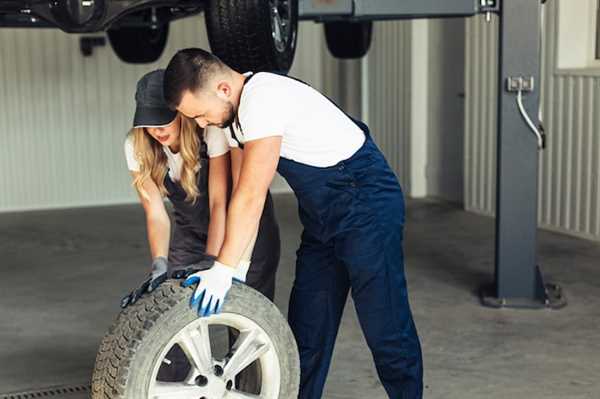
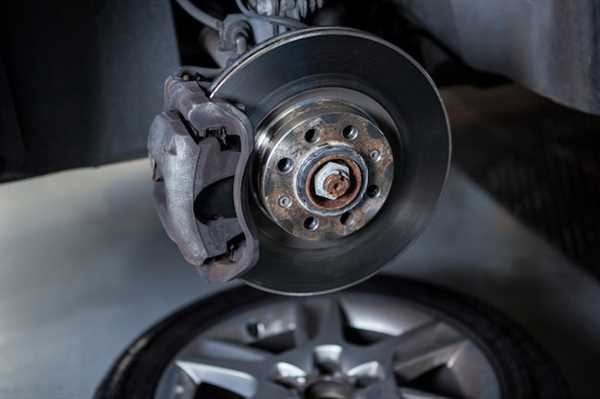
    Inspect the brake components regularly to maintain optimal performance. Replace worn friction materials at least every 30,000 miles, or sooner if you notice symptoms such as squeaking or reduced stopping power. Consistent checks not only extend the lifespan of other related parts but also enhance safety. Before starting the job, gather the necessary tools: a jack, jack stands, a lug wrench, and a brake caliper tool. Ensure the vehicle is parked on a flat surface and secured properly. Removing the wheel will give you clear access to the braking system. Once you’ve detached the wheel, inspect the caliper and rotor…

  • Car Maintenance and Repair

    How to Spot Transmission Problems Early

    Listen for unusual noises like grinding or whining when operating your vehicle, as these can indicate potential problems in the drivetrain. If you notice any strange sounds, don’t hesitate to consult a specialist for immediate assessment and repair. Keep an eye on your fluid levels. Low transmission fluid can lead to overheating and significant damage. Ensure regular checks of fluid levels and quality; discolored or burnt fluid should prompt prompt action and service. Watch for changes in how your vehicle shifts gears. Hesitation, slipping, or hard shifting can be signs that components within the system are failing. Early detection can…

  • Car Maintenance and Repair

    How to Diagnose Engine Trouble Without a Mechanic

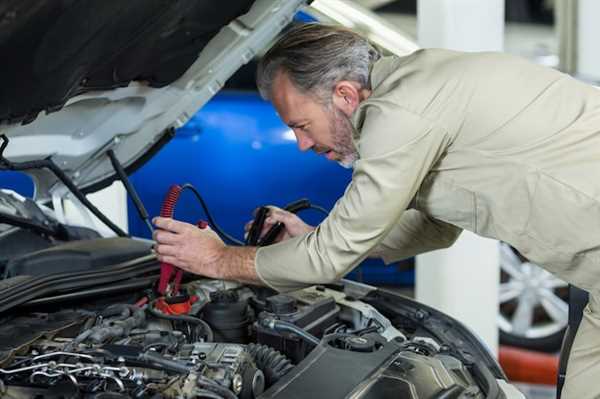
    First, identify unusual noises and vibrations. These sensations can provide immediate clues about potential malfunctions. For instance, a knocking sound may indicate internal damage, while a persistent rattling could suggest loose components. Next, pay attention to warning lights on the dashboard. Each light corresponds to a specific function, and knowing the meaning behind them can guide you on which part requires your focus. Refer to your owner’s manual for precise definitions to avoid confusion. Checking fluid levels regularly is another practical tip. Low oil, coolant, or transmission fluid can lead to a myriad of complications if not addressed promptly. Ensure…

  • Car Maintenance and Repair

    Best Tools Every Car Owner Should Have

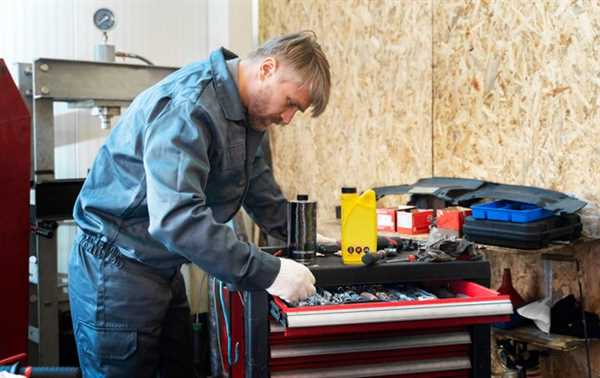
    Begin by acquiring a quality jack and jack stands to safely lift your vehicle. This setup is necessary for tire changes and performing undercar inspections. A reliable floor jack will support your vehicle securely, while sturdy jack stands provide additional safety during maintenance tasks. A set of wrenches and sockets is indispensable for tackling various fasteners throughout your vehicle. Opt for a comprehensive metric and imperial set, allowing you to address different components with ease, from battery terminals to suspension elements. Ratcheting wrenches can significantly speed up the process of loosening or tightening bolts. Don’t overlook the importance of a…

  • Car Maintenance and Repair

    Top 5 Car Maintenance Mistakes to Avoid

    Regular service can significantly prolong your vehicle’s lifespan and enhance performance. One predominant error is neglecting regular oil changes. Fresh oil ensures proper engine lubrication, preventing wear and tear. Stick to the manufacturer’s schedule for oil replacement to keep everything running smoothly. Another oversight is ignoring tire pressure. Under-inflated tires can hinder fuel efficiency and affect handling, while over-inflation may lead to uneven wear. Check your tire pressure monthly and rotate them according to the guidelines in your owner’s manual. Many vehicle owners also forget the importance of monitoring fluid levels, such as coolant and brake fluid. Low levels may…