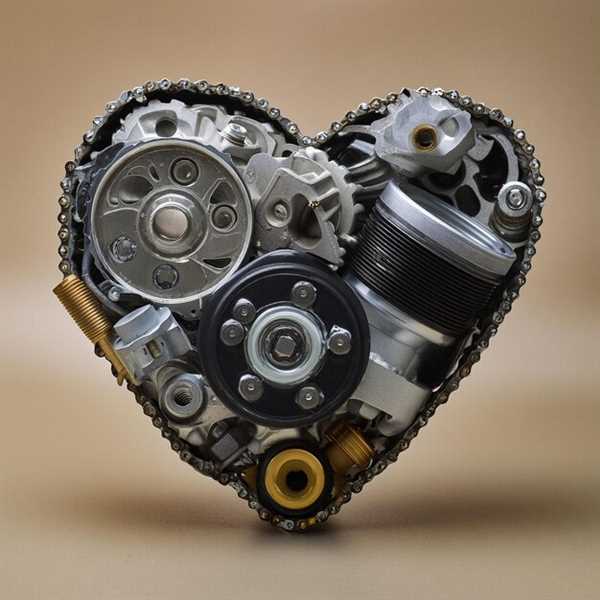
Consider switching out your stock powerplant for a turbocharged inline-six for a significant boost in horsepower and torque. This modification not only elevates acceleration but also adds a thrilling exhaust note that enhances the overall driving experience.
If you’re seeking a lighter setup, opt for transplanting a V8 into a compact chassis. The weight-to-power ratio dramatically improves with this transformation, providing you with superior handling and explosive speed on the track.
Furthermore, integrating a hybrid system into an existing layout can yield impressive efficiency without sacrificing performance. This combination allows for seamless power delivery and responsive throttle, perfect for both daily driving and spirited runs.
Exploring the potential of an electric drivetrain conversion can offer incredible torque right off the line, alongside lower maintenance costs. This shift appeals to those who prioritize sustainability while still chasing after exhilarating performance.
Lastly, consider a rotary engine for a unique twist. The compact design and high-revving nature provide an exhilarating driving experience and a distinctive sound that sets your ride apart from the rest.
Researching Top Engine Choices for Performance Upgrades

Consider the LS series from General Motors as a robust option for enhanced power. These small-block V8 configurations are renowned for their aftermarket support and can exceed 500 horsepower without significant modifications.
The 2JZ-GTE from Toyota is another excellent selection, especially for turbocharged performance. Found in the Supra, it is capable of over 800 horsepower with the right tuning, making it a favorite among tuners seeking high-output builds.
For those favoring forced induction on a smaller engine, the Honda K-series offers versatility and high-revving capabilities. Swapping a K24 allows for lightweight handling and power potential exceeding 250 horsepower with simple aftermarket components.
The Ford Coyote V8 is a strong contender for those looking to amp up muscle. Known from the Mustang GT, it provides a solid foundation for big power and easily integrates into various platforms.
Lastly, the SR20DET from Nissan is renowned for its tuning potential in the drifting community. This 2.0L turbocharged engine can achieve remarkable outputs, making it a popular choice for enthusiasts aiming for a balanced setup.
- GM LS Series: Versatile V8 with extensive aftermarket options.
- Toyota 2JZ-GTE: High-output turbo engine, excellent for tuning.
- Honda K-Series: Lightweight, high-revving I4 with great aftermarket support.
- Ford Coyote V8: Robust muscle engine with powerful configurations.
- Nissan SR20DET: Ideal for drifting, known for tuning capacity.
Researching the right components, tuning capabilities, and compatibility with your specific vehicle platform will help achieve the desired performance goals efficiently.
Step-by-Step Guide to Planning Your Engine Swap
Identify the ideal candidate for your project. Research compatibility with your vehicle model, ensuring that space and mounts accommodate new specifications.
Create a detailed list of required tools and components. Essential items may include an engine hoist, wrenches, sockets, and various fluid types.
Establish a timeline. Allocate sufficient time for each phase–removal, installation, and troubleshooting. Budget for potential delays or unforeseen issues.
Consult experienced individuals or online forums for advice on specific swaps. Gather insights on common challenges and solutions.
Explore aftermarket support. Availability of parts can significantly influence your choice. Evaluate potential upgrades alongside your planned replacement.
Prepare your workspace. Ensure adequate room to maneuver and organize tools efficiently to simplify the process.
Document each step of disassembly and installation. Photos can serve as a valuable reference when reconnecting components.
After installation, plan a thorough testing phase. Check for any leaks, irregular noises, or performance issues before considering the project complete.
Common Challenges and Solutions During Engine Swaps

Ensure compatibility of power units by researching specific models and their dimensions. Mismatched components can lead to clearance issues.
Evaluate wiring harness integration; often, connecting new electronics to existing ones poses significant hurdles. Utilize aftermarket solutions or custom adaptors to bridge discrepancies.
Addressing cooling requirements is critical. Upgraded radiators and custom hoses may be necessary to accommodate increased thermal output.
Transmissions may need modifications to connect properly with new units. Consider alternative mountings and adaptors to secure a seamless fit.
Examine exhaust routing challenges that arise from different power setups. Custom exhaust systems can resolve fitment and performance optimization.
After installation, calibrate the engine management system to ensure optimum performance and reliability. This may involve software tuning or physical adjustments to sensors.
Lastly, prepare for potential legalities regarding emissions and inspections. Staying informed on local regulations can save time and effort down the line.