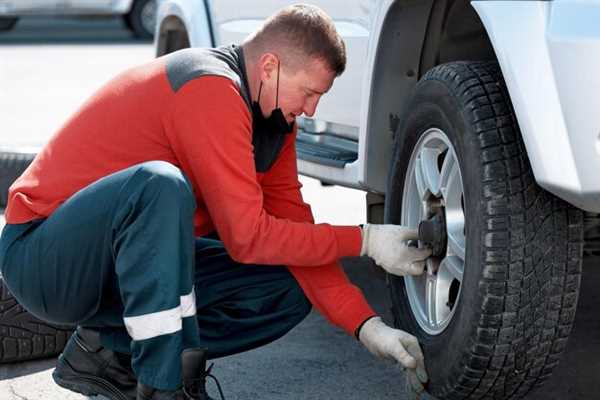
Regular inspection of your wheels significantly contributes to avoiding accidents. Ensure pressure levels align with manufacturer specifications, as under-inflated or over-inflated options can lead to decreased traction and compromised control. Aim for a consistent check every month to maintain optimal performance during your driving experience.
Monitor tread depth closely. The legal threshold is commonly 2/32 of an inch, but consider replacing them before reaching this limit to enhance grip in wet conditions. A reliable method involves utilizing a penny–placing it in the grooves with Lincoln’s head facing down. If you can fully see his head, it’s time to seek replacements.
Rotation every 5,000 to 8,000 miles prolongs lifespan and promotes even wear. This practice ensures that your vehicle remains stable while navigating various terrains, reducing the risk of hydroplaning and blowouts. Additionally, be cautious of any irregular vibrations during driving, as they may signal alignment issues or worn components that require immediate attention.
Regular Tire Pressure Checks and Their Role in Preventing Accidents

Check your pressure weekly. Correct inflation reduces the risk of blowouts, increasing vehicle stability while driving.
Under-inflated wheels lead to higher rolling resistance, causing overheating and premature wear. This increases stopping distances, especially in emergencies.
Over-inflation can reduce contact with asphalt, leading to poor traction and longer braking times. Maintaining pressure within manufacturer’s specifications is crucial for optimal performance.
Utilize a reliable gauge to measure pressure. Refer to the vehicle owner’s manual or sticker typically found on the driver’s side door for accurate readings. Adjust pressure when tires are cold for precise results.
Maintaining appropriate tire pressure enhances fuel efficiency, reduces emissions, and improves handling, enhancing overall driving experience. Regular checks contribute significantly to accident prevention.
Understanding Tread Depth: Why It Matters for Safe Driving
Check tread depth regularly with a simple penny test. Insert a penny into the tread with Lincoln’s head facing down. If you can see all of his head, replace your tires immediately.
Sufficient tread depth enhances grip on wet or slippery surfaces. A minimum of 3 mm is recommended for safe handling. Below this threshold, the risk of hydroplaning increases significantly.
Regularly measuring and monitoring tread depth can prevent accidents by allowing for better vehicle control. Insufficient tread can lead to longer stopping distances, particularly during adverse weather conditions.
Using tread wear indicators, small bars within the grooves, provides a clear visual signal when tires need replacement. This proactive approach not only improves handling but also boosts fuel efficiency.
Keeping tread depth optimal contributes to prolonged tire life. A well-maintained set minimizes the chances of blowouts or sudden failures, directly correlating to driver and passenger protection.
Awareness of tread performance can influence your choice of replacement products. Choosing models designed for specific conditions can enhance your overall driving experience.
The Importance of Tire Rotation and Alignment for Optimal Performance
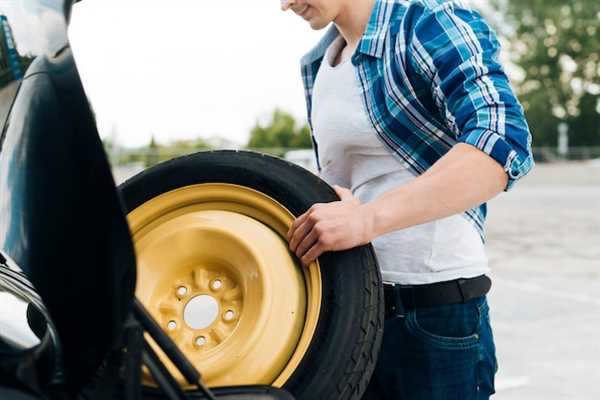
Regularly rotating your wheels can extend their lifespan by promoting even wear. Every 5,000 to 8,000 miles is a common recommendation. This practice helps ensure that all four wheels receive similar wear, maximizing performance and grip on the asphalt.
Alignment is another key aspect. Misalignment can lead to uneven tread wear and affect how your vehicle handles. Inspecting alignment every 6 months or after hitting a pothole can prevent costly replacements and enhance driving stability.
Properly aligned wheels also contribute to fuel efficiency. Misalignment can increase rolling resistance, causing your engine to work harder. Correct alignment can save you money over time by improving mileage.
Be attentive to signs of wear or pulling to one side while driving. These indicators might signal the need for rotation or alignment adjustments. Regular checks can prevent emergencies and guarantee smoother control on the highways.
Maintaining optimal performance through these practices is not just about extending the life of your wheels; it’s about ensuring a responsive and safe driving experience. Regular attention to these details can significantly reduce risks associated with poor traction and handling.