Always maintain a safe distance from the vehicle ahead, ideally three seconds or more. This interval provides adequate time to react to sudden stops, allowing you to avoid rear-end collisions.
Constantly scan your surroundings, keeping an eye on unpredictable elements like pedestrians and cyclists. Use mirrors frequently to stay aware of vehicles in adjacent lanes, ensuring that you are prepared for unexpected maneuvers from others.
Signal your intentions early, communicating with other drivers through turn signals and brake lights. Clear communication reduces surprises on the road and encourages cooperation between vehicles. Being predictable is key to preventing accidents.
Stay within speed limits and adjust your speed according to road conditions. Bad weather, traffic congestion, and road work require slower speeds to maintain control. Adapting to your environment can greatly decrease the likelihood of mishaps.
Always be prepared for the unexpected by expecting the unexpected. Anticipate the actions of others, especially in busy areas, and approach intersections cautiously. Being proactive in your approach can create a safer driving environment for everyone involved.
Understanding the Three-Second Rule for Safe Following Distances
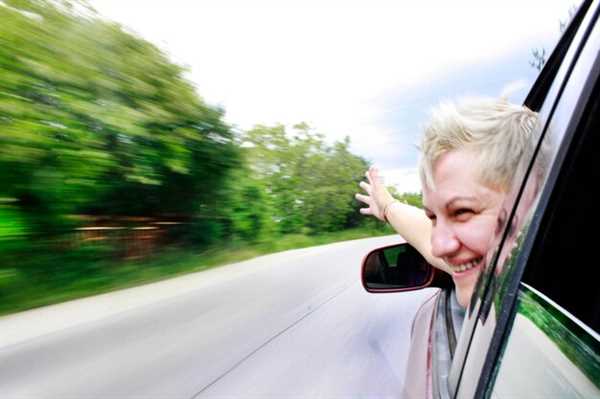
To maintain a safe distance, use the three-second rule: pick a fixed point, like a sign or a tree, and count “one thousand one, one thousand two, one thousand three” as the vehicle ahead passes it. If you reach the same point before finishing the count, increase your space between vehicles.
This method accounts for reaction time, allowing sufficient space in case of sudden stops. Adjust the count to four seconds in adverse weather conditions, like rain or snow, where stopping distances increase significantly.
Practicing this rule enhances awareness of road conditions and provides a buffer against potential hazards, contributing to a more secure environment on the road.
How to Anticipate and React to Other Drivers’ Actions
Observe the behavior of surrounding vehicles, especially at intersections and in traffic jams. Look for subtle cues like brake lights and turn signals to predict a driver’s next move.
Maintain a safe distance from the vehicle ahead, providing ample time to react in case of sudden stops. This margin enhances your ability to adjust quickly to unexpected actions.
Watch for erratic movements such as swerving or rapid lane changes, which may indicate a distracted or reckless operator. Stay alert and prepared for sudden shifts in their trajectory.
Use mirrors frequently to monitor the flow of traffic. An awareness of what’s behind and beside you allows for informed decisions about lane changes or merges.
Stay calm and composed in challenging situations. Panic can lead to poor choices; a steady mindset is key to evaluating circumstances effectively.
Communicate your intentions clearly. Use turn signals well in advance when changing lanes or making turns to inform others of your actions, reducing the chance of miscommunication.
Pay attention to pedestrians and cyclists. Their actions can be unpredictable; maintaining vigilance can prevent accidents and enhance safety for everyone.
Anticipate potential hazards like road construction or obstacles. Being aware of your surroundings and adjusting accordingly helps in avoiding difficult scenarios.
Know the common indicators of other drivers’ behavior, such as checking mirrors or leaning forward, which often signals a decision to accelerate or overtake.
Be ready to take evasive actions if necessary. Recognizing the likelihood of certain moves by others allows for prompt responses to avoid collisions.
Utilizing Proper Mirror Adjustments to Enhance Visibility

Adjust mirrors before starting your vehicle. The side mirrors should be positioned to minimize blind spots. Angle them outward until the side of your car is just barely visible in the inner edge of the mirror. This configuration enhances rear and side vision, increasing overall awareness of surrounding vehicles.
For the rearview mirror, ensure it provides a full view of the rear window without obstruction. Adjust the mirror so it aligns with your sightline, allowing you to see directly behind you while maintaining a comfortable head position. Regularly check and adjust mirrors as needed while driving, especially after changing lanes or undergoing significant vehicle movements.
Nighttime adjustments can also improve visibility. Many rearview mirrors have a night setting which reduces glare from headlights of vehicles behind you. Obtain maximum clarity and avoid distraction by using this mode appropriately.
Incorporating proper mirror adjustments not only enhances awareness but significantly contributes to safer travel on the road. Regular practice and timely adjustments can lead to better reaction times and, consequently, a lower likelihood of accidents.