
Choosing between a combination of fuel types or a fully battery-powered option depends largely on individual needs and driving habits. If your daily routine includes extensive travel or frequent long-distance trips, considering a hybrid model could provide the flexibility needed, blending traditional fuel efficiency with electric capabilities.
For those prioritizing sustainability and urban commuting, opting for a battery-powered model may be the more advantageous option. With zero tailpipe emissions and access to numerous charging stations in cities, this choice is not only eco-friendly but also often eligible for government rebates, making it financially appealing.
Evaluating cost-effectiveness is critical. A hybrid can reduce fuel expenses while maintaining the convenience of refueling at gas stations. In contrast, the reduced maintenance costs of an all-electric option coupled with lower energy costs can lead to significant savings over time. Identifying your priorities will help to clarify the decision between these two categories and lead to a satisfactory ownership experience.
Comparing Costs: Hybrid vs Electric Ownership
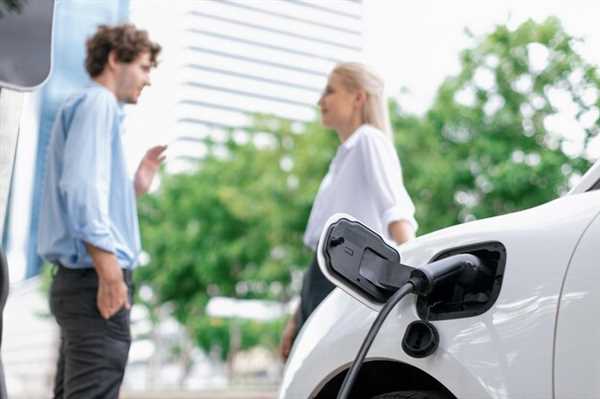
Owning a plug-in option may lead to long-term savings, while a combination model could provide flexibility.
Initial expenses for both choices can vary significantly. A typical plug-in may have a higher purchase price due to battery technology. In contrast, a combination option often offers a more affordable entry point due to shared components with traditional models.
Maintenance costs lean in favor of the plug-in, generally requiring fewer services. Components like the battery may need replacement only after several years, while the combination model still relies on a combustion engine with more frequent maintenance needs.
Fuel expenditures frequently favor electric options. While charging can range from free to minimal costs, combination models rely on conventional fuel prices, which fluctuate. Both types benefit from government incentives that can lessen initial expenses.
Insurance rates might vary based on technology and brand reputation; however, electric choices sometimes attract lower premiums due to fewer risks associated with mechanical failures.
Consider driving habits. If daily commuting aligns with battery range limitations, a plug-in could be ideal. If longer trips are frequent, the versatility of a combination option could be beneficial.
Evaluate your local infrastructure. Regions with abundant charging stations may make an electric option more appealing, while areas less equipped could favor the flexibility of a hybrid.
Assess your specific needs. If upfront costs are a primary concern, a combination vehicle might be preferable. Conversely, if long-term savings and environmental impact are priorities, an electric model deserves serious attention.
Understanding Charging Infrastructure: EV Accessibility

When considering a transition to an electric car, assess the availability of charging stations in your area. Research local infrastructures such as public charging networks and home installation options. This can significantly influence your decision.
Check apps and websites that provide up-to-date maps of charging locations, including fast chargers and standard options. Prioritize stations that are conveniently located in frequented areas like shopping centers, workplaces, and public facilities.
Evaluate the charging speeds offered. Fast chargers can replenish batteries to 80% in about 30 minutes, while standard outlets may take several hours. Depending on your daily travel needs and the proximity of these charging points, this can affect practical use.
If commuting is daily, consider if your residence can accommodate a home charging unit. A dedicated station simplifies refueling and ensures readiness for your next trip.
Investigate potential costs associated with home installation and public charging fees, which may vary by location and provider. Being aware of these expenses can make a substantial difference in your overall financial decision.
For those who opt for a hybrid model, the need for charging may be less critical, but weigh the convenience of having accessible spots should you choose to drive in all-electric mode for any distance.
Environmental Impact: Evaluating Emissions from Hybrid and Electric Cars
Choosing between a plug-in and a combination model largely hinges on emissions. Battery-powered units typically produce zero tailpipe emissions, drastically reducing local air pollution. However, the environmental impact extends beyond usage. The electricity source plays a significant role. Fossil fuels still dominate many grids, which can elevate emissions associated with charging.
Combination models, while more efficient than traditional fuels, still emit CO2 and pollutants during operation. Their hybrid engines rely on both electric and combustion power, each contributing to emissions. Data suggests that the fuel economy of these options often leads to better overall efficiency, yet they cannot eliminate greenhouse gases completely.
From a lifecycle perspective, battery production for plug-ins has its repercussions. Mining and manufacturing processes generate substantial emissions, which can offset the clean benefits during usage. In contrast, production of combination models tends to be less impactful after factoring in emissions over time.
Considering individual driving habits is crucial. Those who primarily operate within urban settings, with access to charging infrastructure, may benefit from selecting a battery-powered option. Meanwhile, frequent long-distance travelers might find the flexibility of a combination vehicle more practical, given its reliance on dual fuel sources.
Your choice should reflect local energy practices and personal driving requirements. Regions with cleaner energy grids may favor battery options, while areas dependent on fossil fuels might benefit from a blend of technologies to minimize overall carbon footprints.