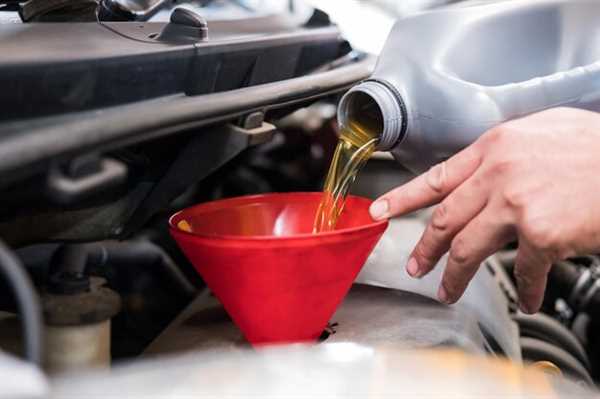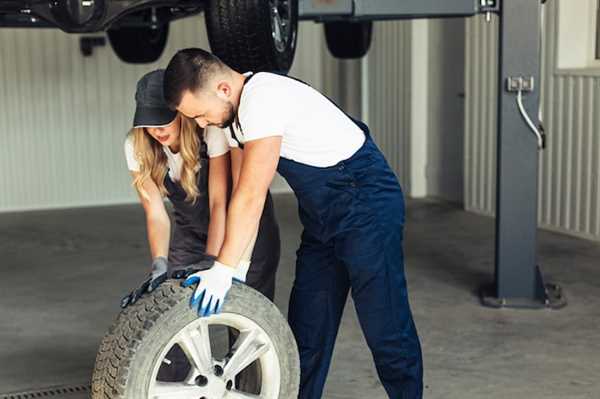
Ensure optimal performance and longevity of your vehicle by conducting thorough assessments of its fluids. Regular attention to oil, coolant, brake fluid, and transmission fluid levels not only enhances efficiency but also prevents costly repairs. Keeping these liquids in check protects vital engine components and improves fuel economy, a significant factor in long-term savings.
Establishing a routine for monitoring these substances can drastically reduce the risk of breakdowns. A simple visual inspection, combined with periodic professional evaluations, creates a proactive approach to vehicle care. Skipping this maintenance often leads to overheating engines, brake failure, or transmission issues, driving repair expenses to unprecedented heights.
Utilizing the correct type of fluids significantly influences reliability and safety. For instance, using manufacturer’s recommended oil can maintain engine cleanliness and performance, while consistently checking coolant levels guards against overheating. This meticulous approach not only safeguards your car but also enhances its resale value, making smart fluid management a prudent choice for any budget-conscious driver.
Identifying Leak Sources Before Major Repairs

Regularly inspect your vehicle for any signs of leakage, focusing on areas like the engine, transmission, and radiator. Look for puddles on the ground beneath your car; identifying the type of liquid can pinpoint the source. Oil stains typically indicate engine issues, while coolant leaks can come from hoses or the radiator itself.
Check fluid levels in the reservoir tanks regularly. If you notice a consistent drop, it signifies a possible leak. Pay attention to any warning lights on the dashboard that indicate low fluid levels. Sometimes, these alerts can be overlooked but are critical in diagnosing issues early.
Examine seals and gaskets for cracks or wear. These components play a significant role in preventing leaks, and their deterioration can lead to severe damage if left unfixed. Adding dye to fluids might help trace a leak more accurately when standard inspection methods fall short.
Conduct visual inspections of hoses for signs of wear, fraying, or bulging. Addressing weak or damaged hoses can prevent fluid loss, which ultimately saves on repair expenses. Additionally, performing routine maintenance according to the manufacturer’s recommendations can greatly reduce the risk of leaks.
Understanding Fluid Types and Their Roles in Vehicle Performance

Maintain your car’s efficiency by keeping an eye on various liquid types. Engine oil ensures smooth operation while lubricating engine parts, minimizing friction.
Transmission fluid plays a key role in shifting gears seamlessly. Regularly monitor its level to avoid transmission damage and costly repairs.
Coolant prevents overheating by regulating engine temperature. Check this liquid to protect against engine failure caused by overheating.
Brake fluid is critical for safety. Low levels can lead to brake failure, so inspect it frequently to ensure reliable stopping power.
Power steering fluid allows for easier vehicle control. Maintain proper levels to avoid steering issues and additional expenses.
Lastly, washer fluid keeps your visibility clear. While it may seem minor, ensuring it’s topped off contributes to overall safety during driving.
Routine maintenance of these liquids not only enhances vehicle performance but also extends its lifespan, reducing unexpected costs in the long run.
Creating a Maintenance Schedule for Fluid Inspections
Establish a focused timetable for vehicle oversight. Inspect engine oil, coolant, brake fluid, and transmission fluid at regular intervals. An effective strategy includes checking oil every 5,000 miles or every six months, depending on driving habits.
Schedule coolant assessments every 30,000 miles or every two years. Keeping an eye on brake fluid should occur annually, especially before long trips or seasonal changes. Transmission fluid inspections can be more spaced out, typically after 50,000 miles, but consult your car’s manual for specific guidance.
Write down the due dates for these evaluations and set reminders. Use a digital calendar or a simple notebook to track completed maintenance. This practice ensures that all aspects of the vehicle’s performance are monitored, reducing the risk of unexpected failures.
Incorporate a quick inspection checklist before longer drives: verify fluid levels, check for leaks, and assess overall fluid condition by looking for discoloration or debris. Taking these steps will lead to fewer costly repairs and extend the life of your car.