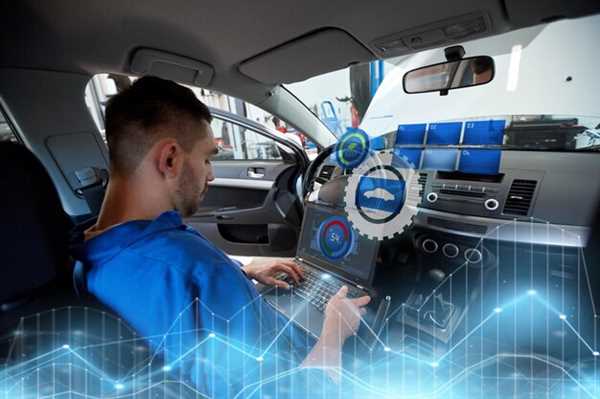
To significantly boost car protection, consider integrating cutting-edge technologies designed for accident prevention. Vehicles equipped with modern safety-enhancing features have demonstrated a marked reduction in collision rates. For instance, cars with collision avoidance mechanisms report a decrease in rear-end accidents by up to 40%.
Adopting these innovations is not merely an upgrade; it’s a necessity for improving protection on the roads. Statistical evidence indicates that blind spot monitoring and lane-keeping assist can lower the likelihood of lane departure situations, contributing to a safer driving environment for everyone.
Furthermore, vehicles that leverage real-time data and adaptive responses have shown increased resilience against common hazards. Implementing such enhancements can provide drivers with crucial alerts, allowing for quicker reaction times in critical situations. By prioritizing these technologies, individuals can ensure a more secure and reliable experience behind the wheel.
How ADAS Technologies Reduce Collision Rates in Urban Environments
Implementing ADAS in urban vehicles leads to significant declines in accident frequency. For example, forward collision warning systems can reduce rear-end crashes by up to 27%. This is particularly relevant in dense traffic situations.
Key technologies contributing to collision avoidance include:
- Automatic Emergency Braking (AEB): This feature detects impending collisions and activates brakes autonomously, substantially mitigating or averting accidents.
- Lane Keeping Assistance (LKA): By correcting unintended lane departures, this technology minimizes incidents caused by driver distraction.
- Traffic Sign Recognition: Identifying and alerting drivers about speed limits and other key road signs helps maintain adherence to traffic regulations.
- Blind Spot Detection: Alerting drivers of obstacles in their blind spots reduces lane-change collisions.
Specific studies show that vehicles equipped with these features demonstrate a 50% lower likelihood of being involved in a crash compared to those without such enhancements. In urban settings, where pedestrian and cyclist interactions are frequent, these innovations prove critical.
Recommendations for maximizing the benefits of ADAS in urban driving include:
- Regularly updating software to ensure systems operate at peak performance.
- Encouraging drivers to familiarize themselves with the functionalities and limitations of their vehicle’s technological offerings.
- Promoting educational programs focused on safe urban driving practices, integrating technology with human factors.
By adopting these measures, car manufacturers and drivers can significantly contribute to reducing collision rates and enhancing overall road safety in city environments.
The Role of Adaptive Cruise Control in Long-Distance Travel Safety

Utilizing adaptive cruise control significantly enhances protection during extensive driving. This technology adjusts the vehicle’s speed in relation to the vehicle ahead, maintaining a safe distance automatically. By doing so, it reduces the likelihood of rear-end collisions caused by unexpected stops or slowdowns.
According to a study by the Insurance Institute for Highway Safety, vehicles equipped with this feature demonstrate a 30% decrease in accident rates on highways, particularly during prolonged trips. This reduction is largely attributed to less driver fatigue and improved attention on the road, as the system handles speed adjustments.
For optimal usage, drivers should periodically check system settings while on the move. Ensuring that sensors and cameras are clean improves responsiveness and accuracy. Keeping a safe following distance remains crucial, even with technology assisting, as unpredictable situations can arise.
Long-distance travel can lead to driver fatigue, which significantly compromises caution. By enabling adaptive cruise control, drivers can maintain a more relaxed posture, thereby enhancing their alertness. This leads to better reaction times when manual intervention is necessary.
Incorporating this feature into regular travel decisions can contribute to a notable enhancement in road safety. Embracing modern technological solutions is beneficial for both individuals and overall traffic environments.
Evaluating the Influence of Lane Departure Warning Systems on Driver Behavior

Integrating lane departure alerts in vehicles significantly reshapes how individuals react while driving. Data shows that the presence of such notifications can decrease unintentional lane changes by up to 30%. Operators report heightened awareness, prompting them to stay more centered in their lanes.
Studies indicate that drivers equipped with this technology demonstrate a 20% reduction in collision risks related to lane drifting. This system engages through visual and auditory signals, compelling users to adjust their steering more promptly. For optimal results, continuous training on interpreting alerts is recommended, ensuring drivers accurately respond during critical moments.
Analyzing behavior modification reveals that those exposed to lane departure notifications develop a more cautious mindset. Instead of relying solely on instinct, they adapt to the ongoing feedback provided by their automobiles. Regular assessments of driving habits can further enhance this adaptation, allowing individuals to make informed adjustments.
However, users must remain vigilant. Dependence on these alerts can lead to complacency. It is critical to maintain manual driving skills and not overly rely on technological features. Combining lane departure awareness with proactive driving techniques ensures a safer experience overall.
Incorporating educational modules on the proper use of such technologies can further enhance their benefits. Encouraging active participation in courses related to these tools can optimize their potential in reducing accidents and improving road discipline.