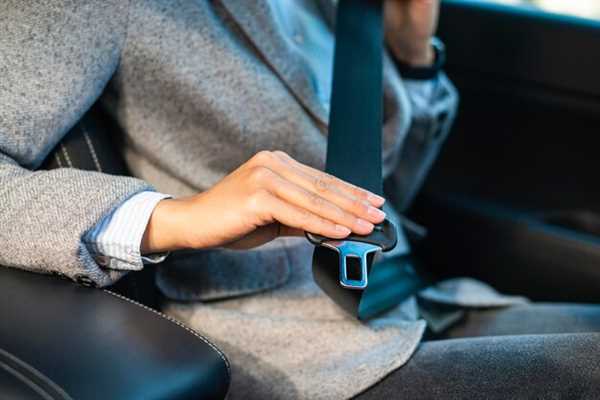
To ensure maximum protection during travel, always utilize restraint systems within your automobile. The evidence is clear: studies indicate that wearing these devices can reduce the risk of fatal injuries by up to 45% for drivers and front-seat passengers. This drastically improves the likelihood of surviving an accident.
The mechanism of these safety features minimizes movement during impact, effectively keeping individuals in their designated spots. With nearly 22,000 lives saved annually in the United States due to adherence to these safety measures, their role in modern automotive design cannot be overlooked.
It is critical to remember that unrestrained individuals pose significant risks not only to themselves but also to others within the vehicle and surrounding motorists. These systems are designed to work harmoniously with airbags and other protective technologies, amplifying their efficacy in the event of collisions.
Understanding the Mechanics of How Seat Belts Protect Occupants
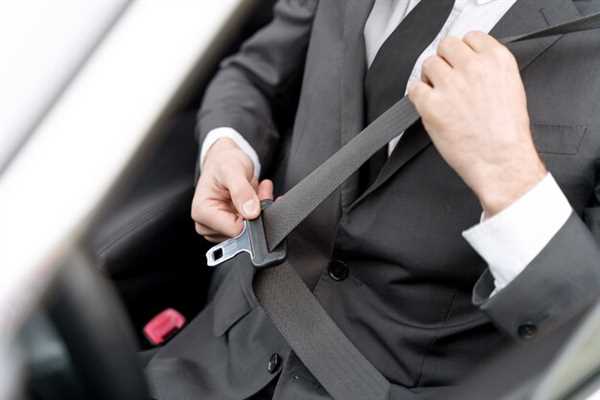
Wearing a harness significantly reduces the chance of injury in an accident. These restraints work by distributing the forces experienced during a collision across the stronger parts of the body, such as the chest and pelvis, rather than concentrating them on softer areas.
In a crash, occupants may be propelled forward at high speeds. The primary design of these devices is to keep individuals securely in their seats, preventing them from being ejected from the vehicle or colliding with the interior surfaces. By restraining movement, they limit the risk of traumatic injuries.
Modern systems include features like adjustable tension and load limiters that engage during a crash, further enhancing protection. These components are engineered to work in tandem with airbags, providing a multi-layered defense for occupants by reducing the force transferred to the body during impact.
Regular maintenance and inspection of these systems are vital. Ensure that the straps are free from frays, tears, or any obstructions that could affect functionality. Always check that the latching mechanism works correctly, as a faulty connection can compromise safety in an emergency.
Studies indicate that properly secured individuals are 45% less likely to suffer fatal injuries in collisions compared to those without restraints. Understanding these mechanisms highlights the importance of consistent use and correct fitting to maximize protection in every trip.
Statistics on Seat Belt Usage and Its Impact on Accident Survival Rates
Regular use of safety harnesses significantly increases survival chances during collisions. Data shows that wearing restraints reduces the risk of fatalities by about 45%. Moreover, nearly 50% of fatalities in crashes occur among individuals who do not utilize these protective measures.
In 2022, an estimated 11,000 lives were saved by the appropriate use of harnesses. Research indicates that over 90% of drivers and front-seat passengers comply with fastening rules, yet this number declines in back-seat passengers where compliance drops to around 70%.
Accident statistics reveal that unrestrained occupants are 30 times more likely to be ejected from a vehicle in a crash. With 78% of roll-over fatalities involving individuals not secured, the numbers speak to the importance of utilizing safety equipment at all times.
Globally, countries with stringent fastening regulations have observed a marked decrease in fatal incidents. For example, in regions with comprehensive enforcement, seat restraint use averages 95%, correlating with up to a 60% reduction in traffic-related deaths.
Routine checks and educational campaigns further enhance compliance rates, underscoring the necessity of consistent adherence to these protective systems for everyone in a vehicle.
Common Myths about Seat Belts and the Reality of Their Importance
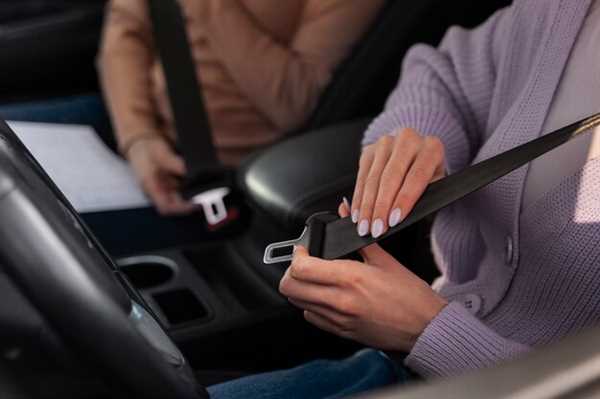
Wearing a restraint in a vehicle significantly reduces the risk of severe injuries during an accident. Many believe that a driver or passenger can brace themselves better without a restraint. In reality, this can lead to catastrophic injuries as the body’s momentum can cause violent impacts against the interior of the car.
Another widespread misconception is that a person does not need to use a restraint if the car has airbags. This is incorrect, as airbags are designed to work in conjunction with restraints to provide maximum protection. Without utilizing both, the effectiveness of the airbag diminishes.
Some claim that traveling short distances does not warrant using a restraint, but statistics reveal that most accidents occur close to home. Regardless of journey length, securing oneself is paramount.
Additionally, a common false belief is that it is safer to ride in the back without a restraint. In reality, unrestrained passengers in the rear can cause serious harm to those in the front during a collision. Each occupant’s safety is interconnected.
Finally, some may think restraints are uncomfortable or restrictive. Modern designs prioritize comfort and ease of use, making them practical and beneficial for all travelers.