Regularly check air pressure; maintaining it at the recommended level can dramatically reduce wear. Incorrect inflation leads to uneven tread degradation, which can compromise handling and safety.
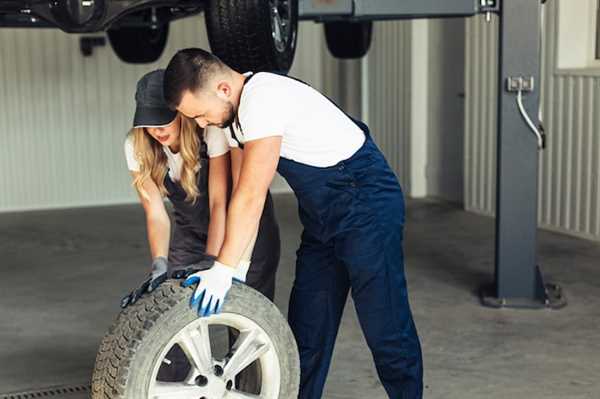
Rotate tires consistently to ensure even distribution of wear. Aim for rotation every 5,000 to 8,000 miles, or as specified in your vehicle’s manual. This practice enhances traction and extends the overall life of the tires.
Monitor tread depth; shallow tread can negatively impact grip, especially in wet conditions. Use the penny test: insert a penny into the groove with Lincoln’s head down; if you see all of his head, it’s time for a replacement.
Align wheels as required. Misalignment can cause tires to wear unevenly, impacting performance and safety. Regular alignment checks can save you from premature tire failure.
Avoid overloading your vehicle, as exceeding weight limits puts excessive stress on the rubber. Refer to your owner’s manual for load specifications, and adhere strictly to them.
Keep tires clean from debris and avoid rubbing against curbs to minimize damage. Regular washing not only maintains appearance but also prevents buildup of harmful substances that can accelerate degradation.
Understanding Proper Tire Inflation and Its Impact on Longevity

Maintaining correct air pressure is crucial. Under-inflation increases tire wear by causing excess flexing, which generates heat. This heat breakdown leads to reduced durability. Alternatively, over-inflation can cause uneven tire tread wear and diminished traction, making handling more challenging, especially in adverse conditions.
Check the recommended pressure, often found on the door jamb or inside the fuel filler cap. Regular inspections, ideally monthly, can significantly enhance performance. Always measure when tires are cold for the most accurate reading, as heat from driving can inflate readings falsely.
Additionally, consider that tire pressure may need adjustment with temperature fluctuations. As temperatures drop, pressure decreases, possibly requiring a boost. Seasonal changes can dramatically affect tire health; hence, adjusting accordingly will help maintain optimal conditions.
Lastly, ensuring your vehicle’s weight distribution is balanced can further enhance wear patterns on your tires. Misalignment caused by excess weight can lead to premature degradation. Regular alignment checks alongside inflation maintenance will aid in prolonging functionality and increasing the lifespan of tires significantly.
Maintaining Tire Tread: How to Check and Rotate Regularly
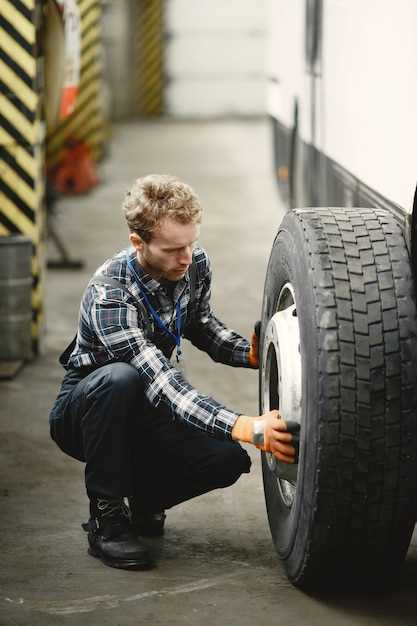
Inspect tread depth with a tread gauge or the penny test. Insert a penny into the tread groove; if the top of Lincoln’s head is visible, replacement is necessary. Tread depth should not fall below 2/32 of an inch for optimal grip.
Check for uneven wear patterns. Look for signs such as cupping or wear at the edges, indicating possible alignment or inflation issues. Addressing these promptly will improve performance and safety.
Perform rotations every 5,000 to 7,500 miles. This promotes even wear across all tires. Follow the manufacturer’s rotation pattern: front-to-back or crisscross, depending on whether the tires are directional.
Maintain proper inflation levels. Under-inflation leads to increased wear on the outer edges, while over-inflation causes center wear. Refer to the vehicle’s manual for recommended pressures.
Store tires in a cool, dry place if removed for seasonal changes. Protect them from direct sunlight and extreme temperatures to prevent dry rot and other deteriorations.
Recognizing Signs of Tire Wear and When to Replace Them
Regular inspection is crucial for maintaining optimal performance. Look for uneven tread wear which may indicate misalignment or improper inflation. If the tread depth measures less than 2/32 inches, it’s time for a change.
Check for cracks or bulges in the sidewalls; these can lead to blowouts and signal deterioration. Pay attention to vibrations during driving, as they may point to internal damage or imbalance.
Monitor the age of your tires; even with adequate tread, a lifespan of 6 to 10 years often warrants replacement due to rubber aging. Maintain care by documenting tire rotations, as uneven wear can drastically reduce lifespan.
Road noise is another indicator; increased sound may suggest worn treads or misalignment. Always address any concerns promptly to ensure safety and performance longevity.
Using a penny test can help assess tread depth; insert a penny into the groove with Lincoln’s head facing down. If you can see all of Lincoln’s head, replace the tires immediately.